How to Brew Coffee When You Only Have a Blade Grinder
A blade grinder produces uneven grounds, but three specific habits close most of the gap between it and a burr grinder.
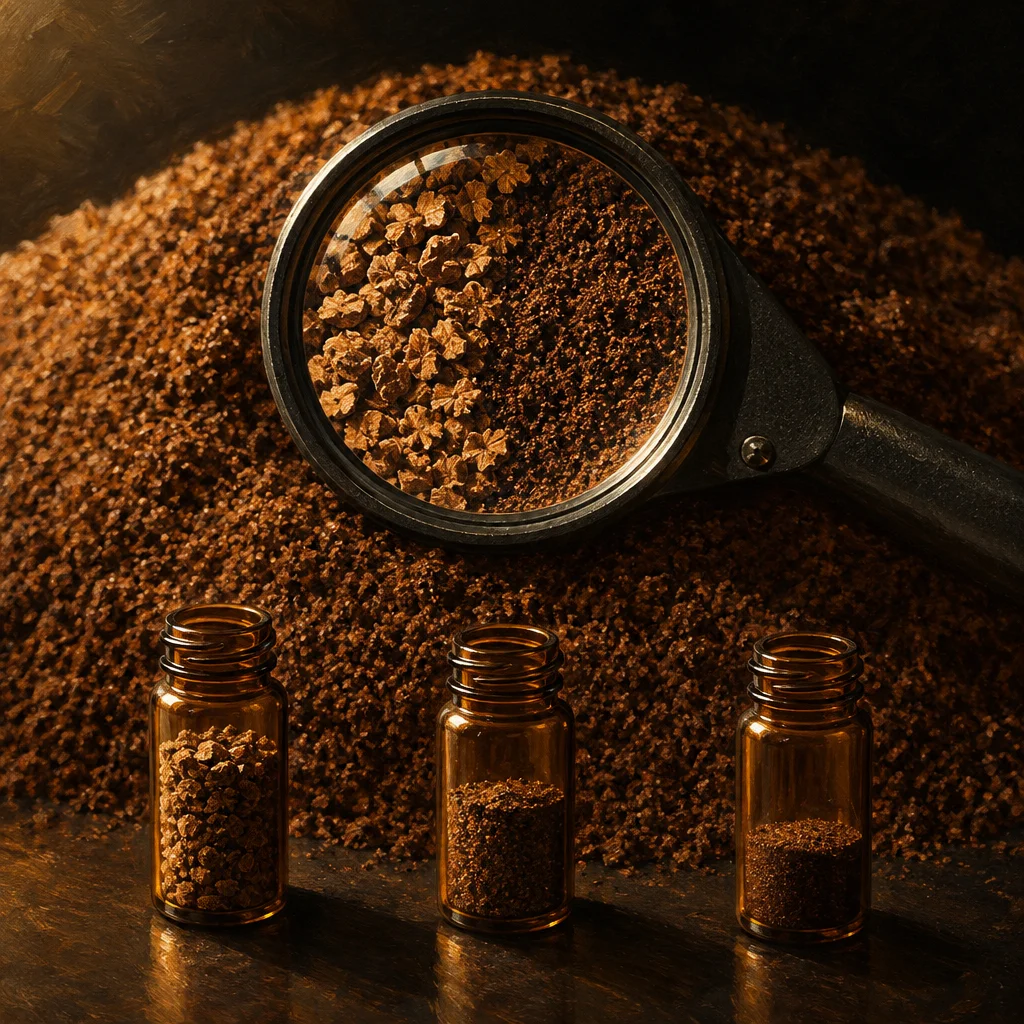
Blade grinders get a bad reputation in coffee circles, and some of it is earned. They chop rather than grind, which means any single batch contains a mix of fine dust and large chunks. That uneven particle size makes extraction unpredictable because fine particles over-extract quickly while coarser ones under-extract at the same rate. The result is a cup that can taste bitter and weak at the same time, which is a genuinely confusing combination.
But blade grinders are also what a lot of people actually own, especially when they are just starting to care about making better coffee at home. Telling someone to buy a burr grinder before they can brew a decent cup is both unhelpful and a little snobbish. The more useful question is what you can do right now, with what you have.
The answer is that three specific habits make a real and noticeable difference. None of them fix the fundamental inconsistency of blade grinding completely, but together they push your results much closer to what a burr grinder would produce.
Grind in short pulses instead of one long run
The most common blade grinder mistake is holding the button down until the coffee looks ground enough. That long continuous run heats the grounds from friction, which affects flavor, and it also lets the finer particles pile up at the blade while coarser ones sit near the edges and barely get touched.
A better approach is to grind in short bursts of about two seconds each, then shake or tap the grinder between pulses. Shaking redistributes the grounds so that the larger chunks fall back toward the blade and the already-fine dust moves away from it. The difference in particle consistency between one long grind and ten short pulses with shaking in between is not small. You can see it if you pour both results onto a white plate and compare them.
Aim for somewhere between eight and twelve pulses depending on how much coffee you are grinding. You are looking for grounds that are roughly uniform in color and size, with as little visible dust or chalky powder as possible.
Grind slightly coarser than you think you need
Because blade grinding always produces some fine particles, those fines will over-extract no matter what you do. If you also grind coarse overall, the fines are still there but the damage they cause is limited. If you grind fine overall, the fines become very fine, and they dominate the flavor in ways that skew bitter and harsh.
In practice this means you should stop grinding a little earlier than feels right. The grounds will look chunkier than what you might see in a bag of pre-ground coffee, and that is fine. The fine particles that are inevitably present will still extract aggressively, and a slightly coarser baseline keeps the overall cup from tipping into bitterness.
If you brew with a drip machine or a pour-over, aim for grounds that resemble coarse sand. If you use a French press, aim for something closer to breadcrumbs on the larger end. These are rough targets, not precise measurements, but they give you a reference point to work from.
Brew with slightly cooler water than usual
This is the adjustment most people skip, and it is the one that pulls the whole approach together.
Because you have more fine particles in your grounds than a burr grinder would produce, you also have more surface area in contact with hot water. Hot water extracts faster and more aggressively. When combined with the fine dust that blade grinding creates, very hot water pulls out bitter compounds quickly and can make even a well-shaken, pulse-ground batch taste sharp.
Lowering your brew water temperature by a small amount slows extraction just enough to reduce that sharpness without making the cup taste weak or flat. If you normally brew at a full boil or near it, try letting your kettle sit for about ninety seconds after it boils before you pour. If you are using a variable-temperature kettle, dropping from around 205 degrees to somewhere around 195 to 197 degrees is a reasonable starting point.
This one change, paired with the pulse grinding and the coarser grind target, tends to produce a noticeably cleaner cup. Not as clean as a well-dialed burr grinder, but meaningfully better than what most people get from a blade grinder using standard instructions.
A note on dose and expectation
Blade grinding also makes it harder to repeat results precisely, because the grind time and shaking pattern vary slightly each time. If you are brewing without a scale, this variability compounds. One practical way to anchor your results is to use a slightly higher coffee dose than a typical recipe calls for, maybe ten percent more by weight or by volume. The extra coffee compensates a little for the extraction inefficiency that comes with uneven particle size.
This is not a perfect solution, and it does use more coffee. But it tends to produce a fuller-tasting cup from a blade grinder, which matters if the alternative is a thin and bitter one.
None of this is a permanent substitute for a burr grinder if you drink coffee every day and care about flavor consistency. A basic burr grinder, even an inexpensive one, does produce more consistent particle size than the best blade grinder technique. But the gap between the two is not fixed. How you use a blade grinder matters more than most advice suggests, and the three habits here close a real portion of it.
If you have a blade grinder and have been frustrated with the results, try the pulse method first. It is the single change most likely to produce an immediate improvement, and it costs nothing.