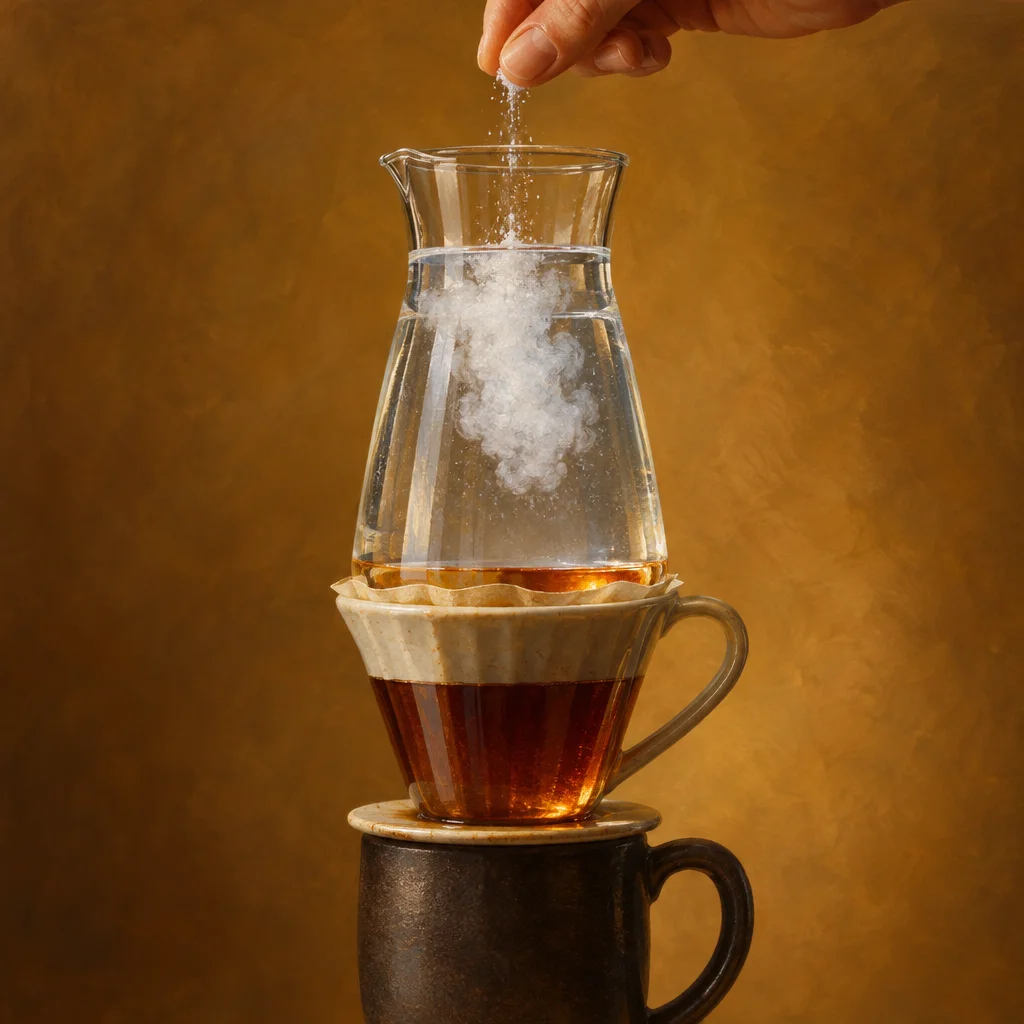
How to Brew Coffee When You're Using Filtered Water That Makes Everything Taste Flat
Heavily filtered or distilled water strips the minerals that help extraction happen, and one simple fix restores flavor without abandoning clean water.
Home Brewing, Honestly
Practical know-how for grinders, brew methods, water, and everything between your beans and your cup.
Heavily filtered or distilled water strips the minerals that help extraction happen, and one simple fix restores flavor without abandoning clean water.
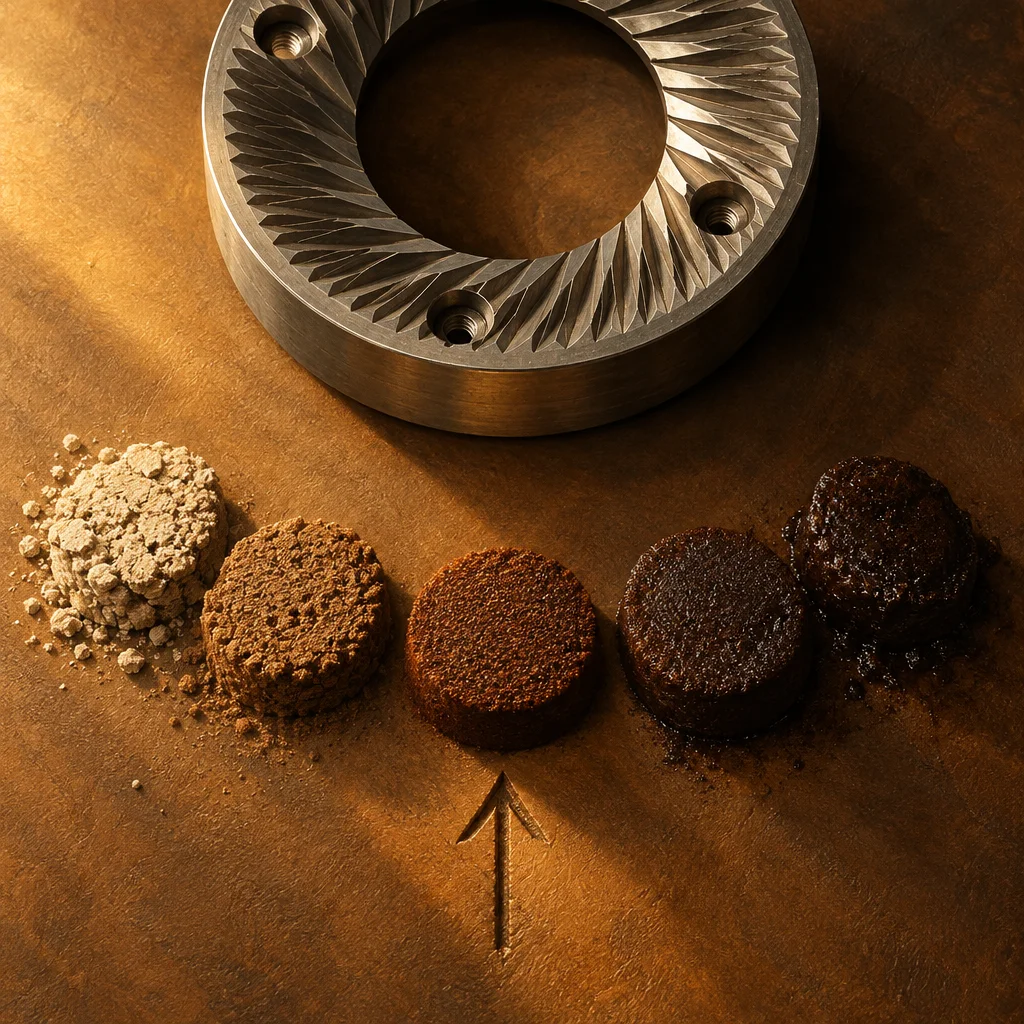
When your cup tastes off and grind size is the fix, knowing which direction to adjust saves you from making the problem worse.
Most brew recipes are written for a 250g or larger bag, and smaller quantities need one specific storage and dosing adjustment to brew consistently.
Repeating a great cup depends less on memory than on knowing which two variables actually produced it in the first place.
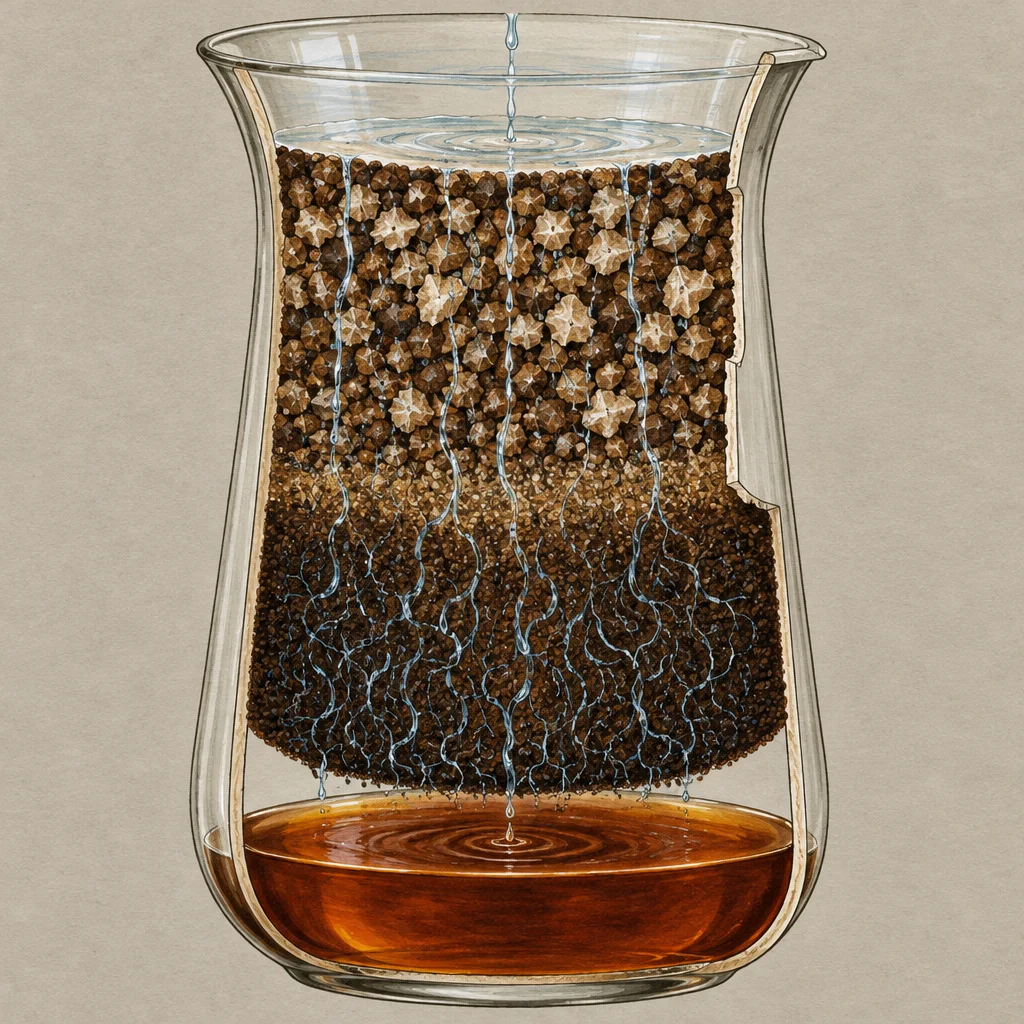
Mixing coarser and finer grounds in one brew is usually an accident, but understanding what it does lets you use it deliberately.
Switching from estimated scoops to a scale changes your results immediately, but only if you measure the right things in the right order.
Interruptions during brewing affect your cup in specific ways depending on when they happen, and knowing which steps tolerate pausing changes everything.
Upgrading to a burr grinder often makes your first few cups taste worse, and understanding why lets you fix it in one session.
When your grinder has hit its finest setting and the cup still tastes thin, two adjustments outside the grinder recover most of what you're missing.
The sequence in which you complete your brew steps shapes extraction as much as any single variable, and one reordering fixes most flat cups.
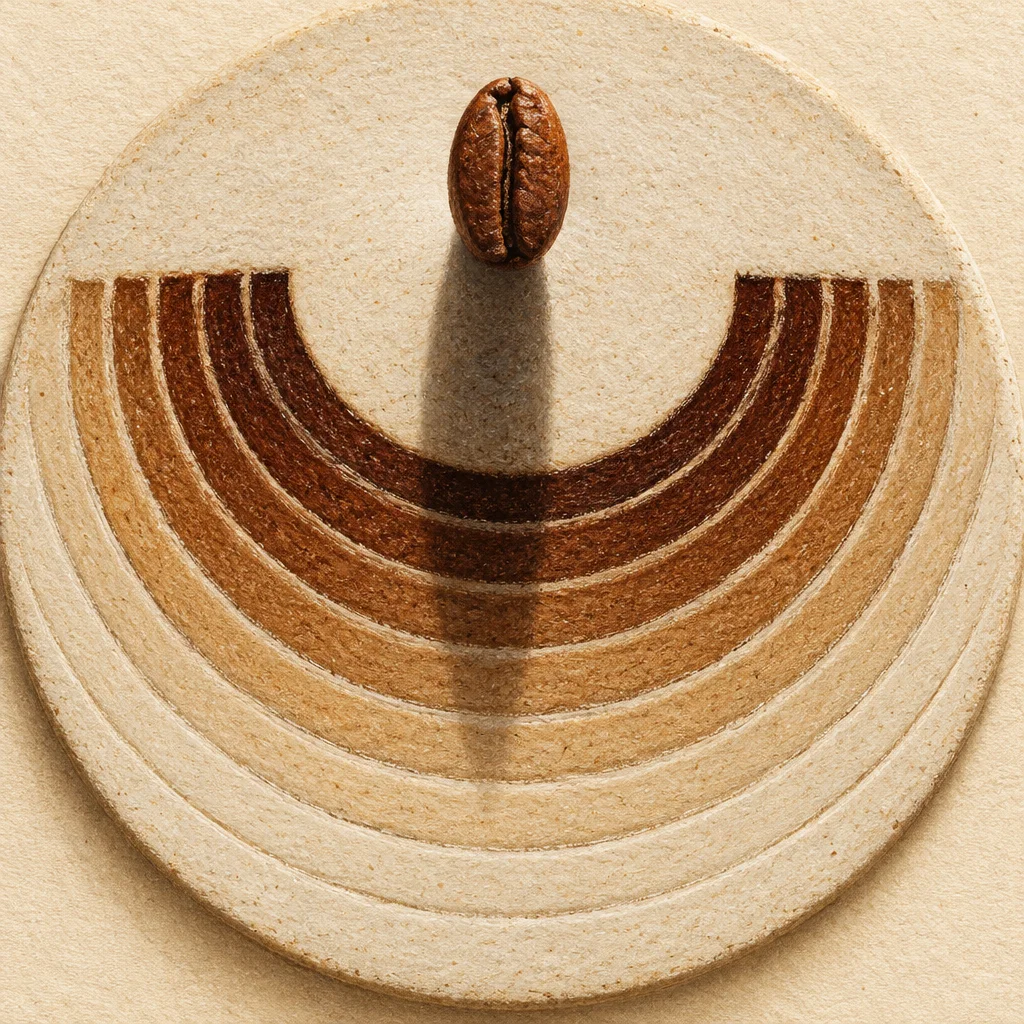
The days since roasting matter more than most home brewers realize, and adjusting for them makes any brew recipe more reliable from the first cup.
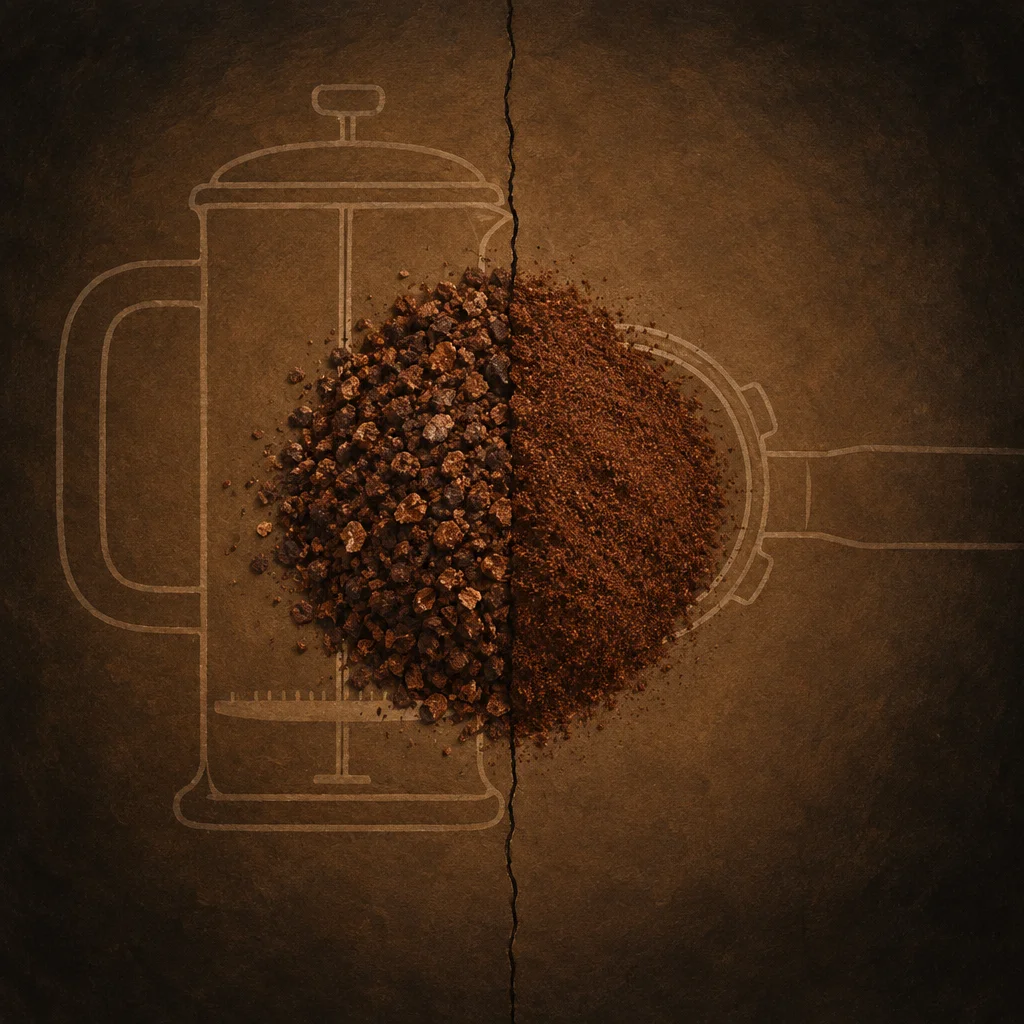
Changing your brew method while keeping your grinder settings is one of the most common reasons a familiar coffee suddenly tastes broken.
Learning a simple vocabulary for what you're tasting turns vague dissatisfaction into a specific adjustment you can actually make.
When your brew suddenly improves without explanation, understanding why lets you lock in that result instead of losing it by accident.
Unfamiliar flavors in a cup aren't automatically problems, and a simple two-step check tells you whether to adjust or just appreciate.
A cup that tastes both bitter and sour simultaneously points to one specific extraction pattern, and fixing it requires adjusting a single variable.
Returning to home brewing after a long break means your instincts are off, but two quick steps speed up recalibration.
When your brew tastes different every morning despite changing nothing, the variability is coming from one of three invisible sources you can actually control.
Scaling a single-cup recipe up to serve several people breaks in specific ways, and two adjustments keep the flavor intact across the whole batch.
Moving from dark to light roast coffee requires two specific brewing changes, because the beans extract in fundamentally different ways.
Most brew recipes assume a water quality you probably don't have, and two small adjustments make any recipe work for your actual tap.
Stale coffee isn't automatically ruined, but it behaves differently than fresh coffee and needs specific adjustments to brew well.
A recipe built for one brew method rarely transfers cleanly to another, but two specific adjustments bring it close without starting from scratch.
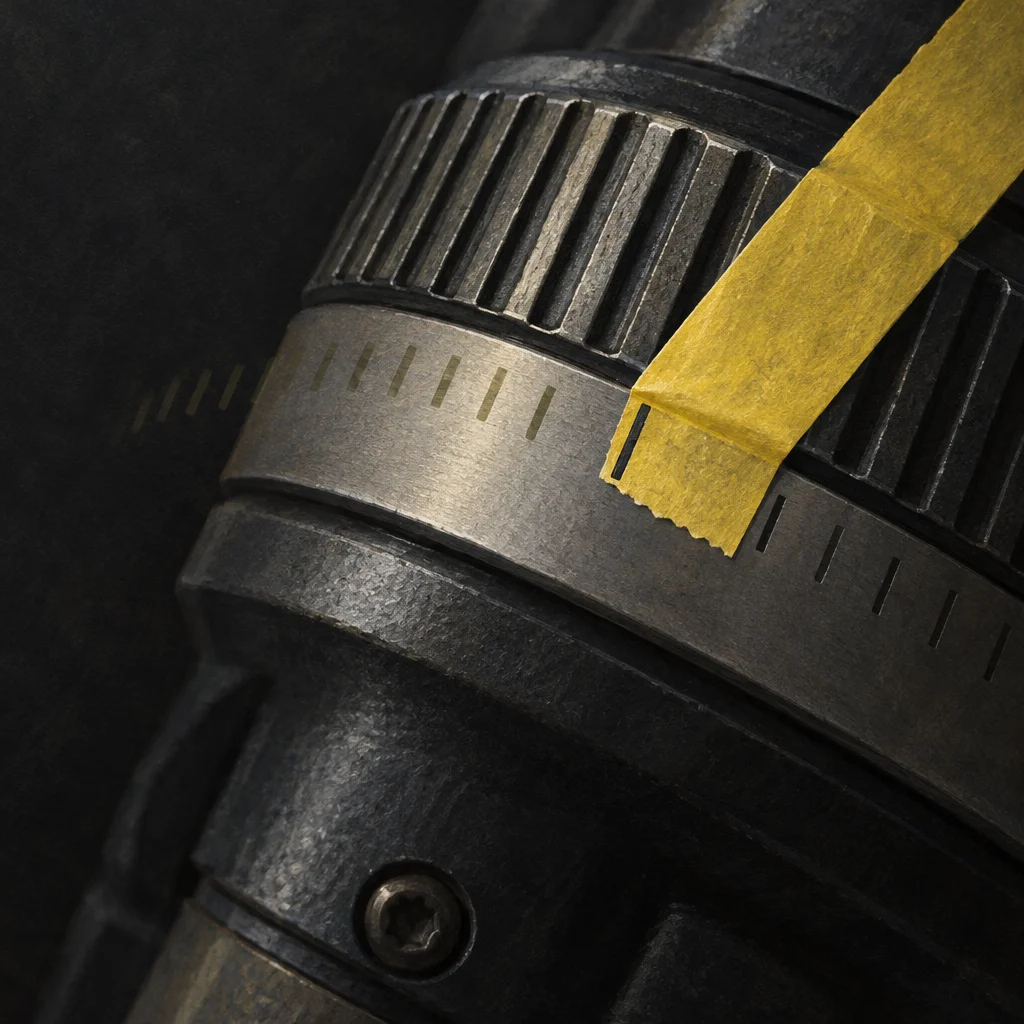
A shared grinder that gets reset between users quietly ruins consistency, but one simple habit restores it without negotiating over settings.
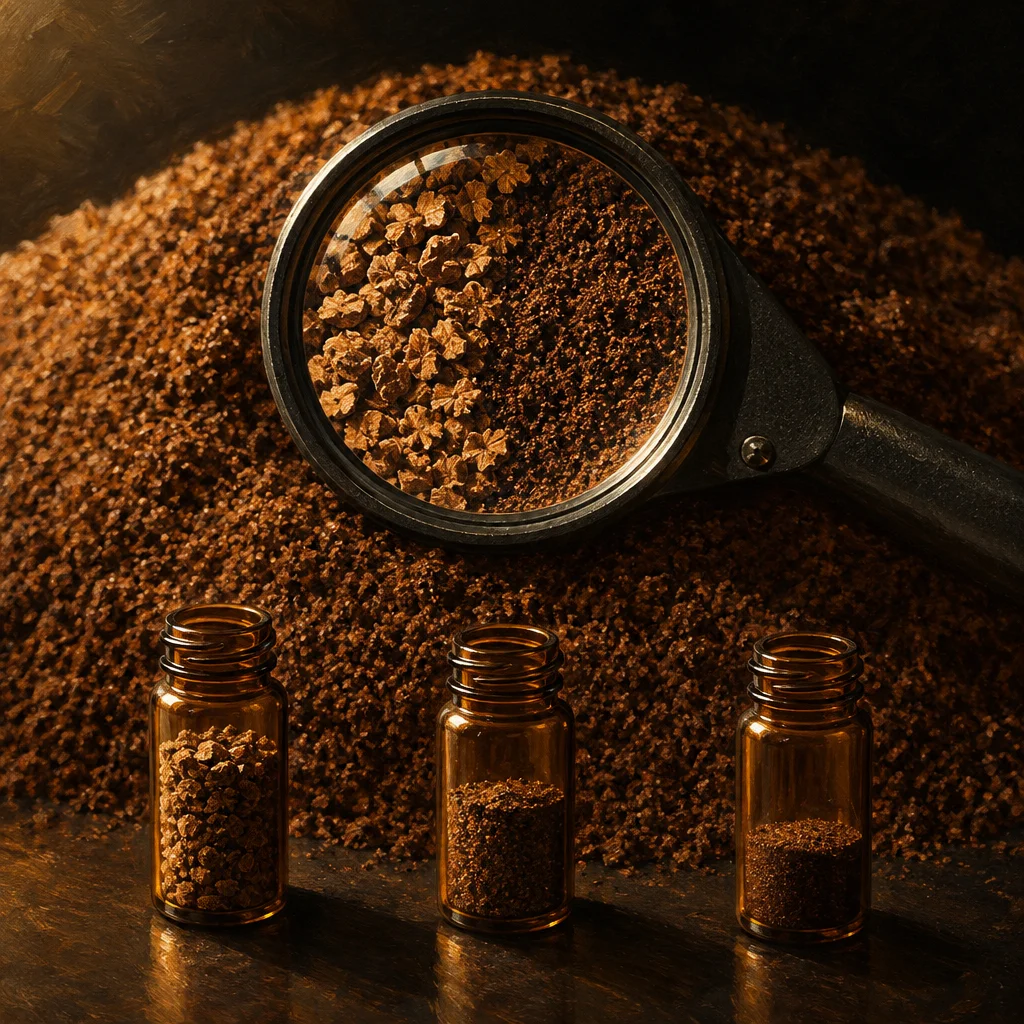
A blade grinder produces uneven grounds, but three specific habits close most of the gap between it and a burr grinder.
When grind size seems correct but flavor is still off, the problem is usually one of three overlooked variables unrelated to coarseness.
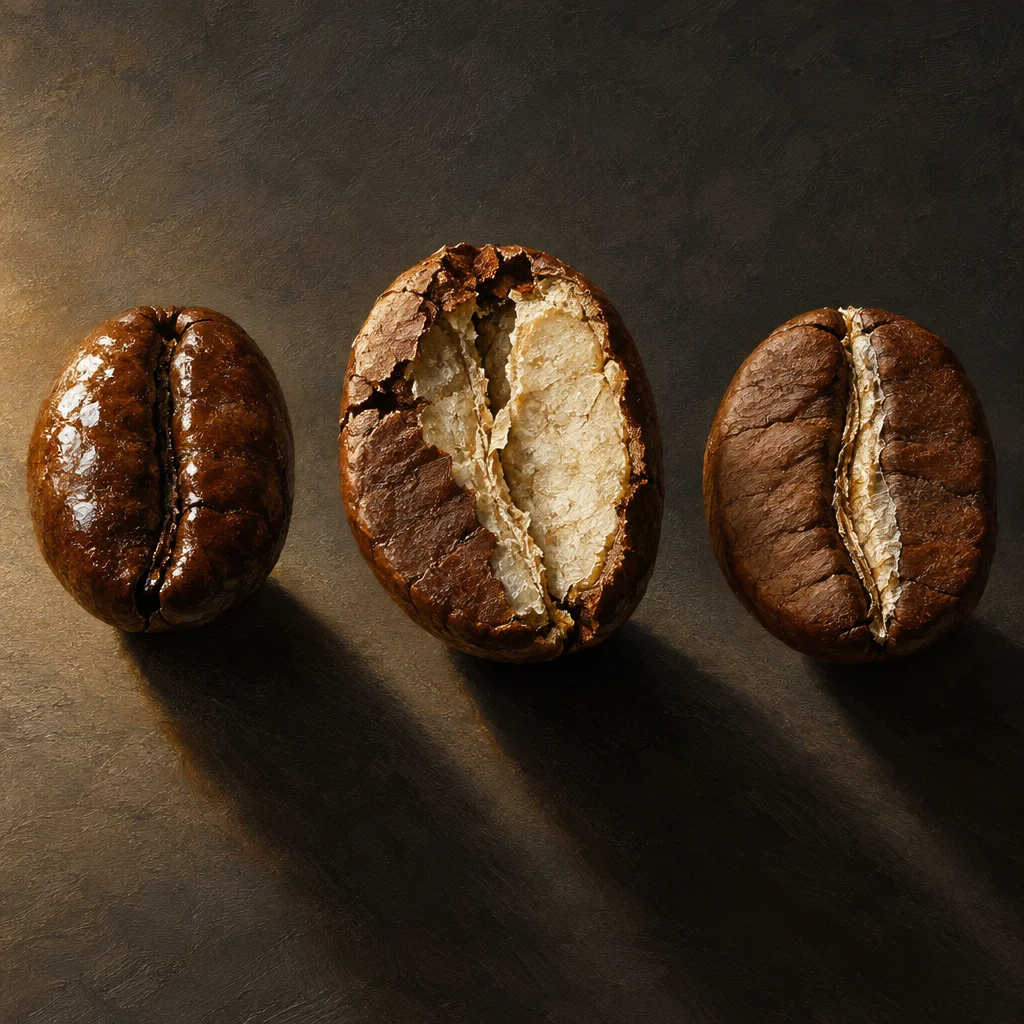
An unlabeled or vaguely labeled coffee bag tells you less than you think, but three observable clues in the beans still guide a solid first brew.
When your kettle or tap limits what temperature you can reach, small compensating adjustments keep your brew on track without any new equipment.
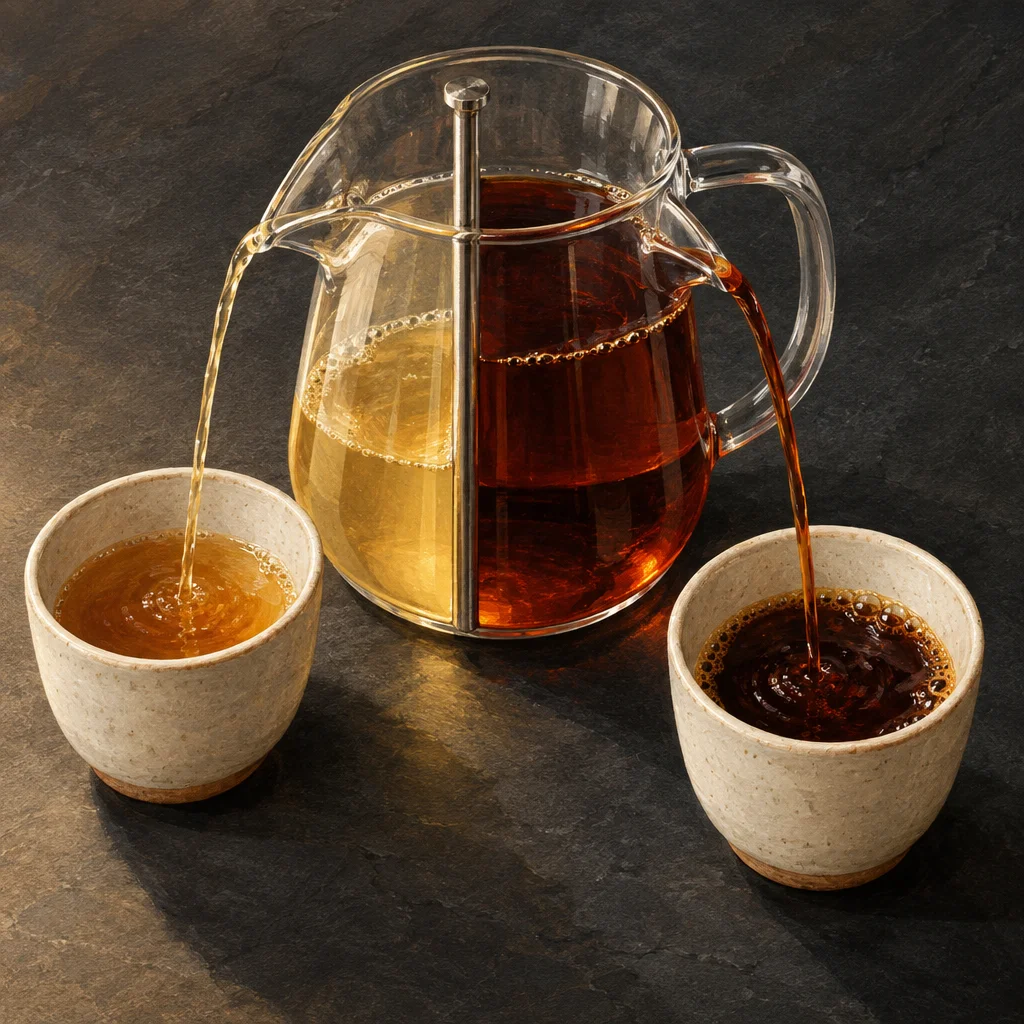
Brewing one coffee to satisfy two people with opposite preferences is solvable without making two separate batches or compromising both cups.
The gap between how a coffee smells dry and how it tastes in the cup is real and closeable with two deliberate brewing choices.
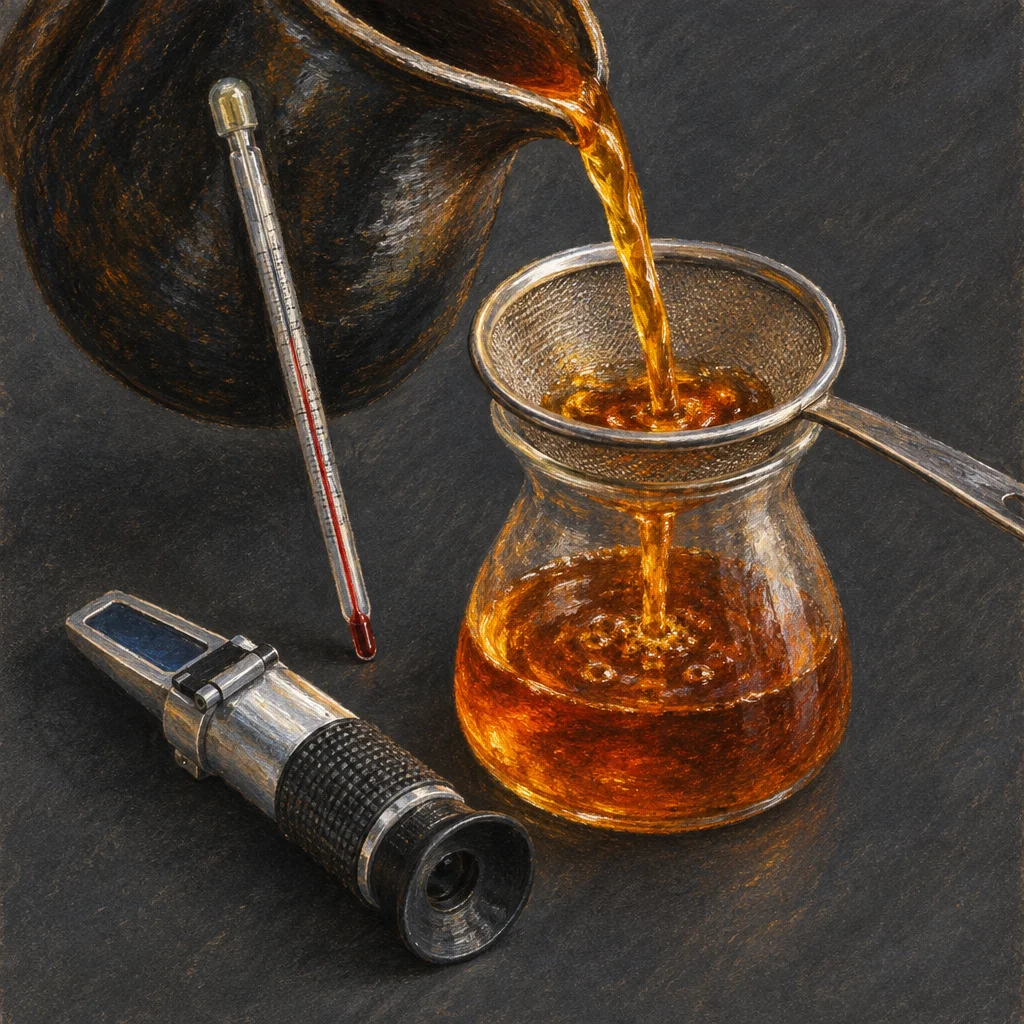
A new and unfamiliar coffee doesn't need a perfect recipe on the first brew; it needs a simple two-step reading process that gets you close fast.
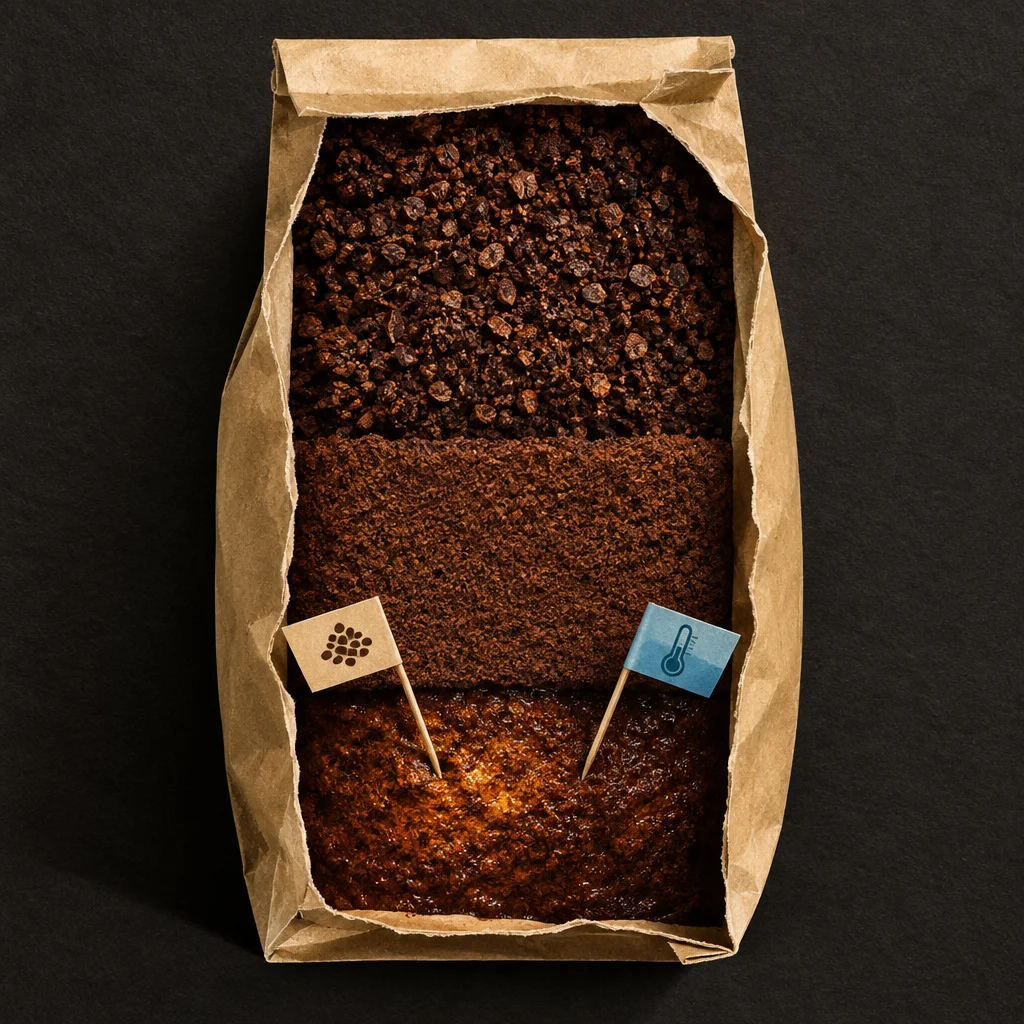
The final portion of a coffee bag behaves differently than the fresh middle, and two small adjustments keep those last cups tasting worth drinking.
A cup that tastes great at drinking temperature but turns harsh or hollow as it cools is signaling a specific, fixable extraction issue.
A fast, low-fuss brew routine can produce a genuinely good cup without the careful ritual most guides assume you have time for.
Brewing decent coffee away from home is mostly about knowing which one variable matters most when your usual setup is unavailable.
When your cup tastes off, isolating whether the grinder or your brewing steps caused it saves you from fixing the wrong thing twice.
When brewing guides contradict each other, the disagreement is often useful information about your specific coffee and water, not noise to filter out.
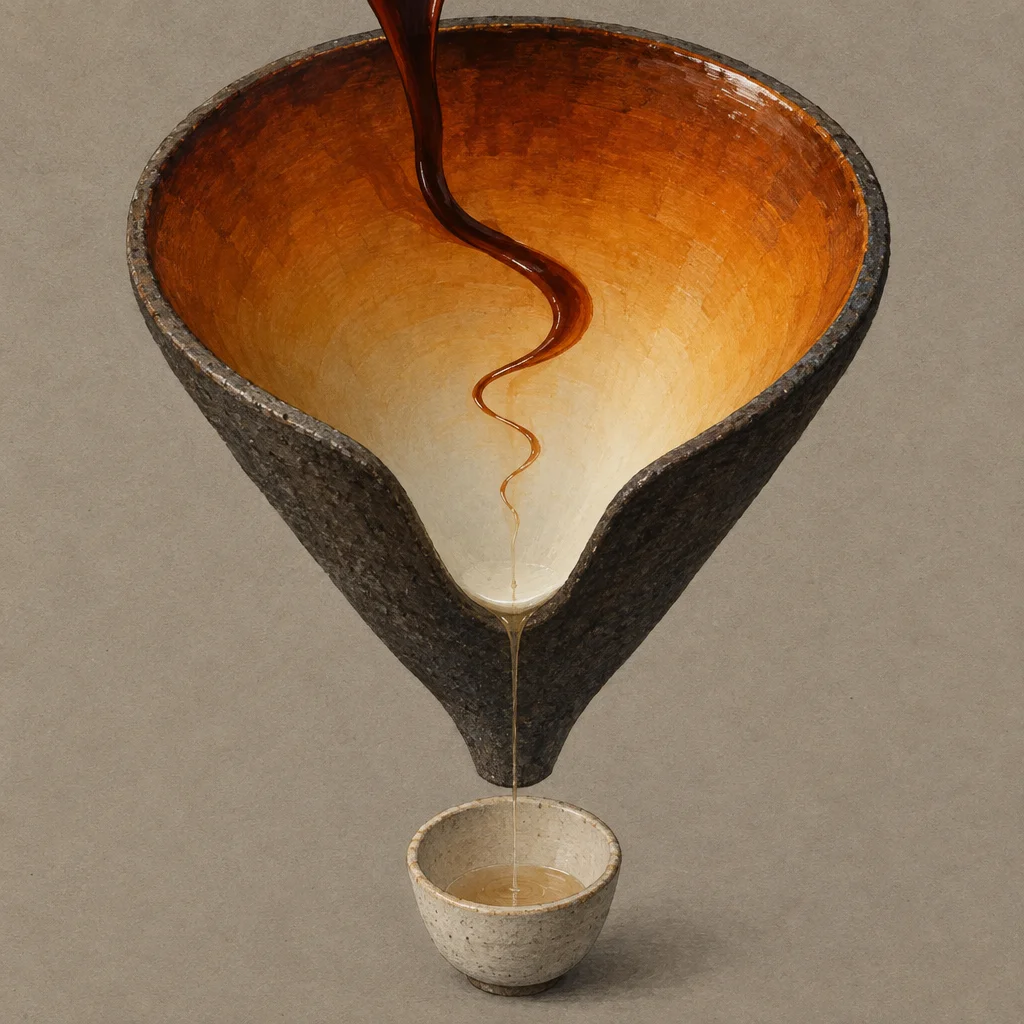
Scaling your brew ratio down to a single small cup requires one specific adjustment most home brewers skip, and skipping it makes the cup taste hollow.
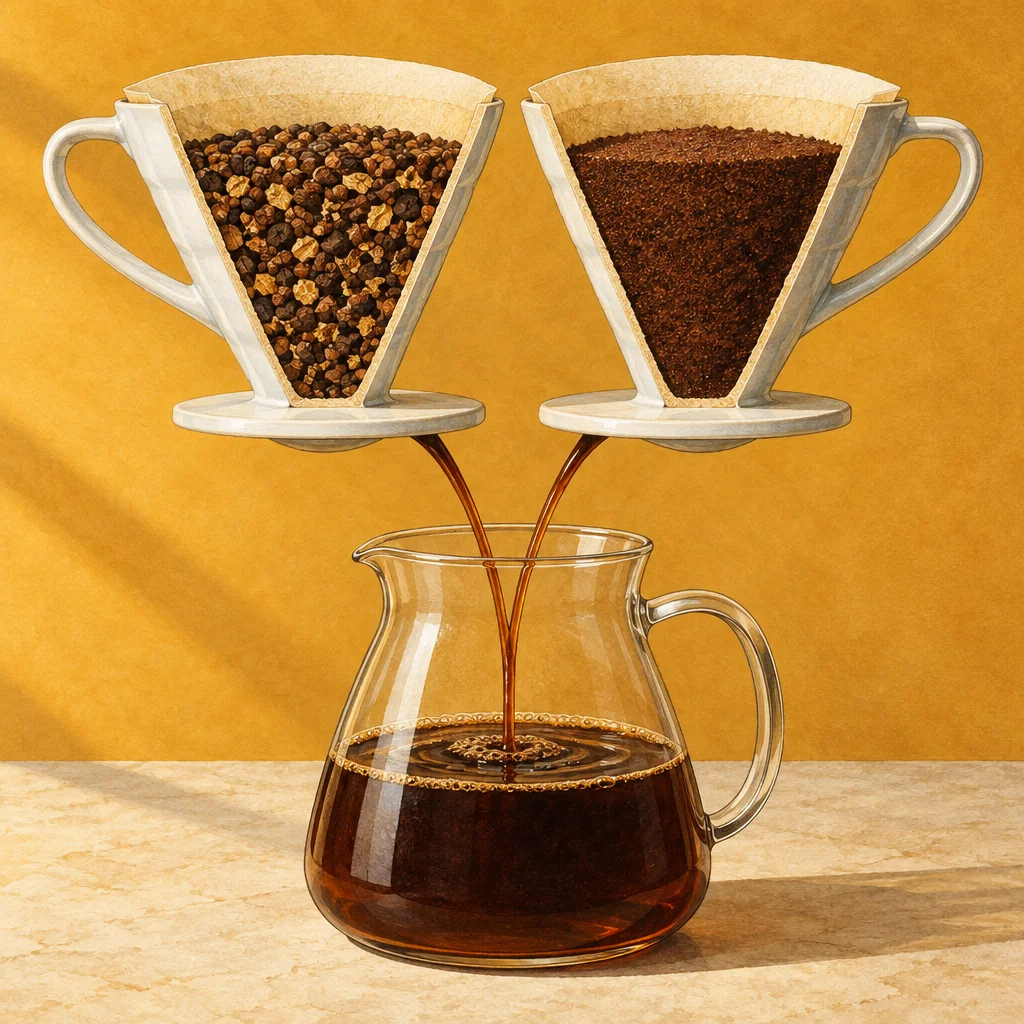
Brewing the same coffee at a coarser and finer grind on the same day teaches you what your palate actually prefers, not what a recipe assumes.
Starting your brew with cold tap water instead of pre-heated water changes extraction in specific ways you can learn to control deliberately.
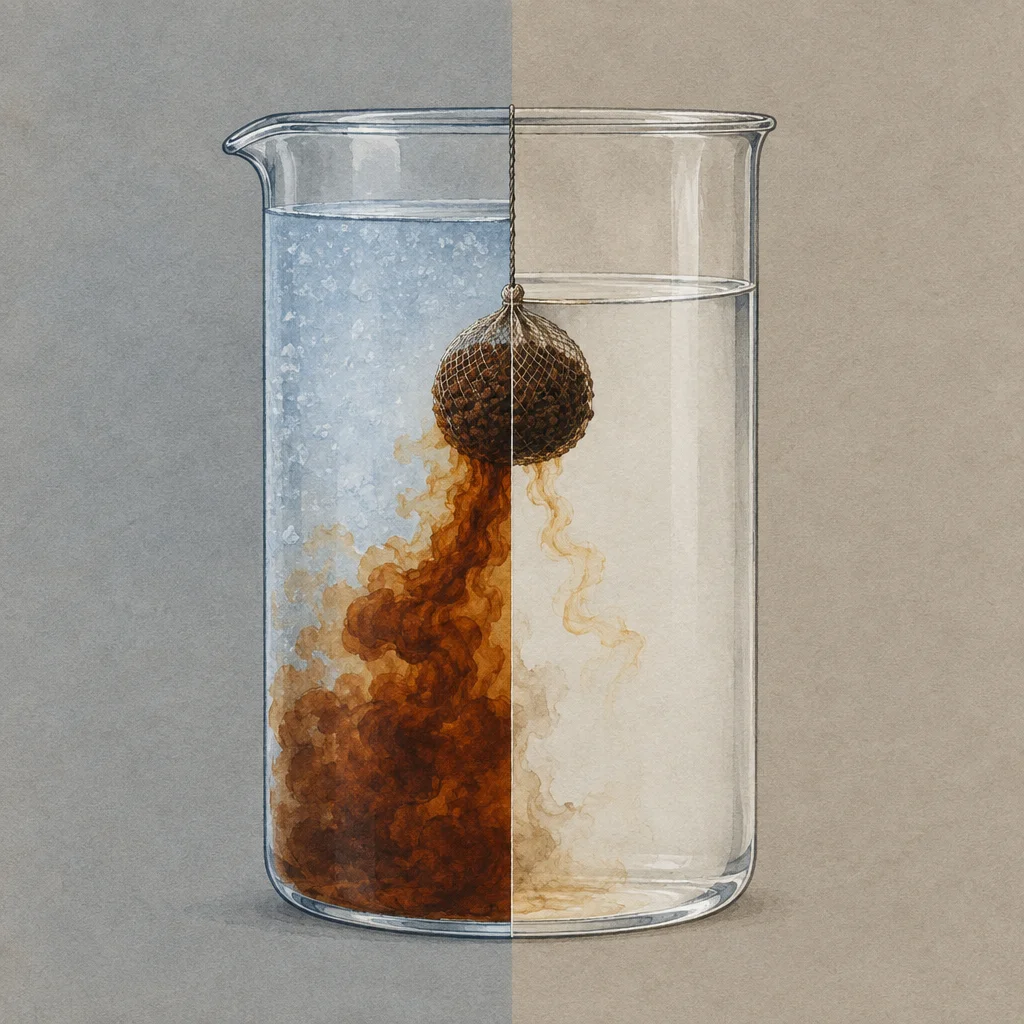
Seasonal shifts in your tap water's mineral content and temperature change how your coffee extracts, and recognizing the pattern lets you correct it quickly.
Grind size and water temperature pull extraction in the same direction, so adjusting both at once produces compounding shifts that make your cup unpredictable.
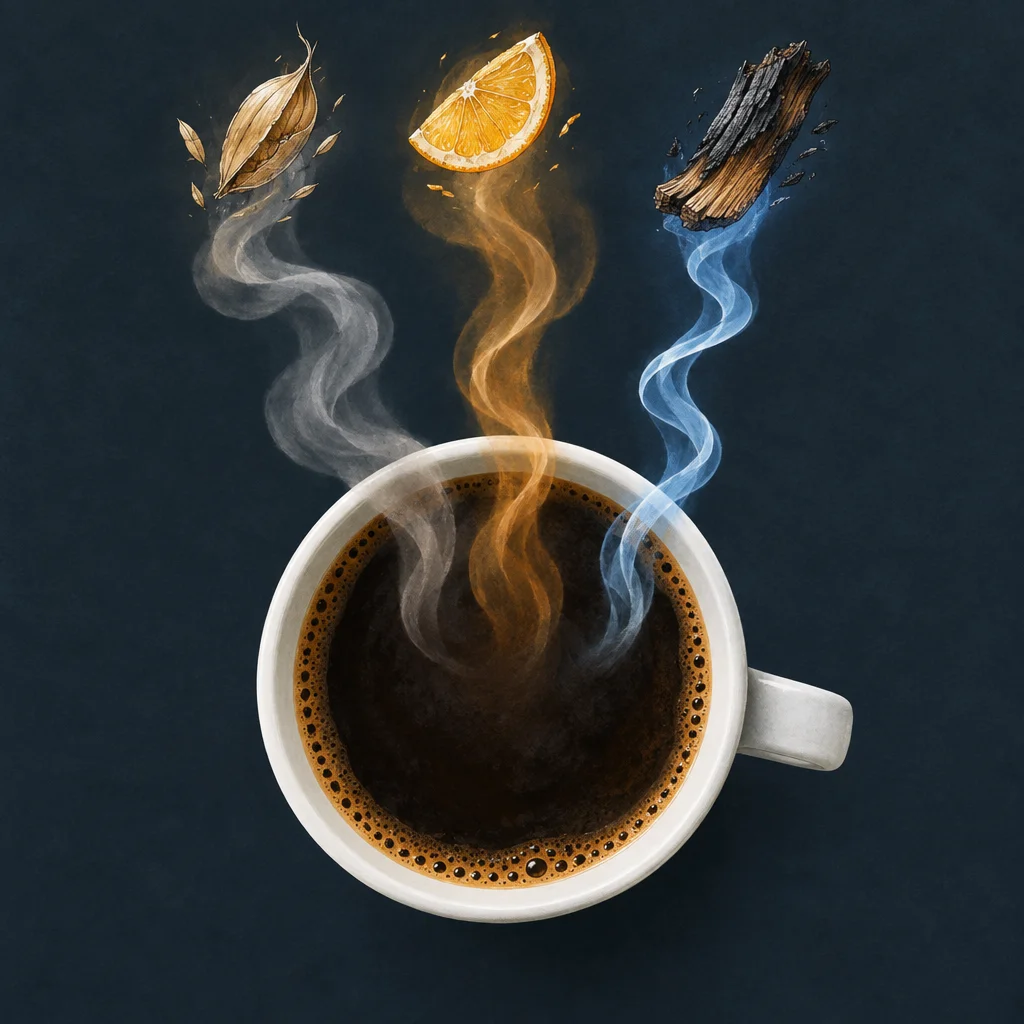
The aroma rising from your cup in the first thirty seconds reveals specific extraction problems you can act on before tasting a drop.
Matching your brew method to your real daily habits, not your aspirations, produces better cups more consistently than any recipe adjustment will.
Brewing a single coffee back-to-back with two different variables reveals cause and effect in your cup faster than adjusting one thing at a time ever will.
Brewing without a scale is common, but small repeatable physical habits can anchor your results almost as reliably as weighing every gram.
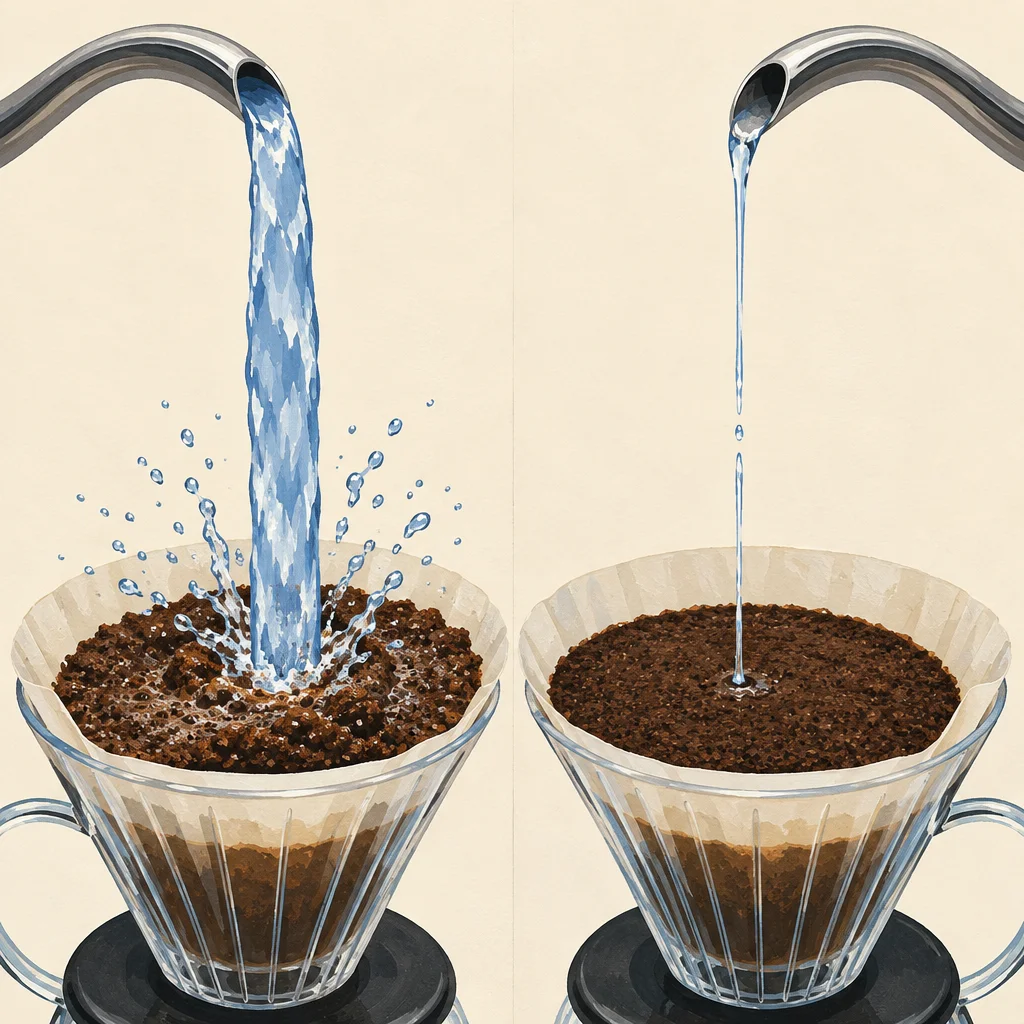
The speed at which water leaves your kettle and hits the grounds is an adjustable extraction variable most home brewers never think to control deliberately.
Different taste sensations land in different parts of your mouth, and mapping where you feel them turns vague impressions into specific, actionable brew adjustments.
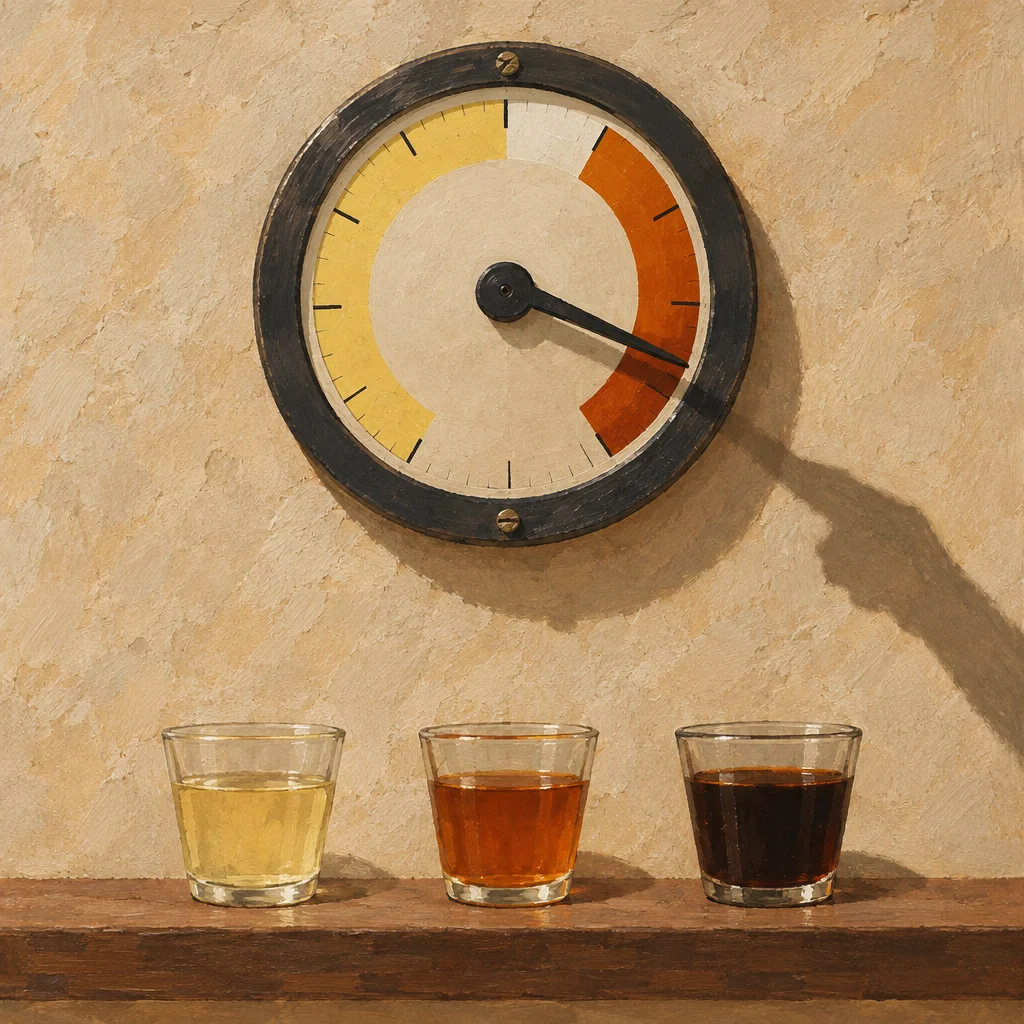
The total time your brew takes from first pour to last drip reveals specific extraction problems before you change a single variable.
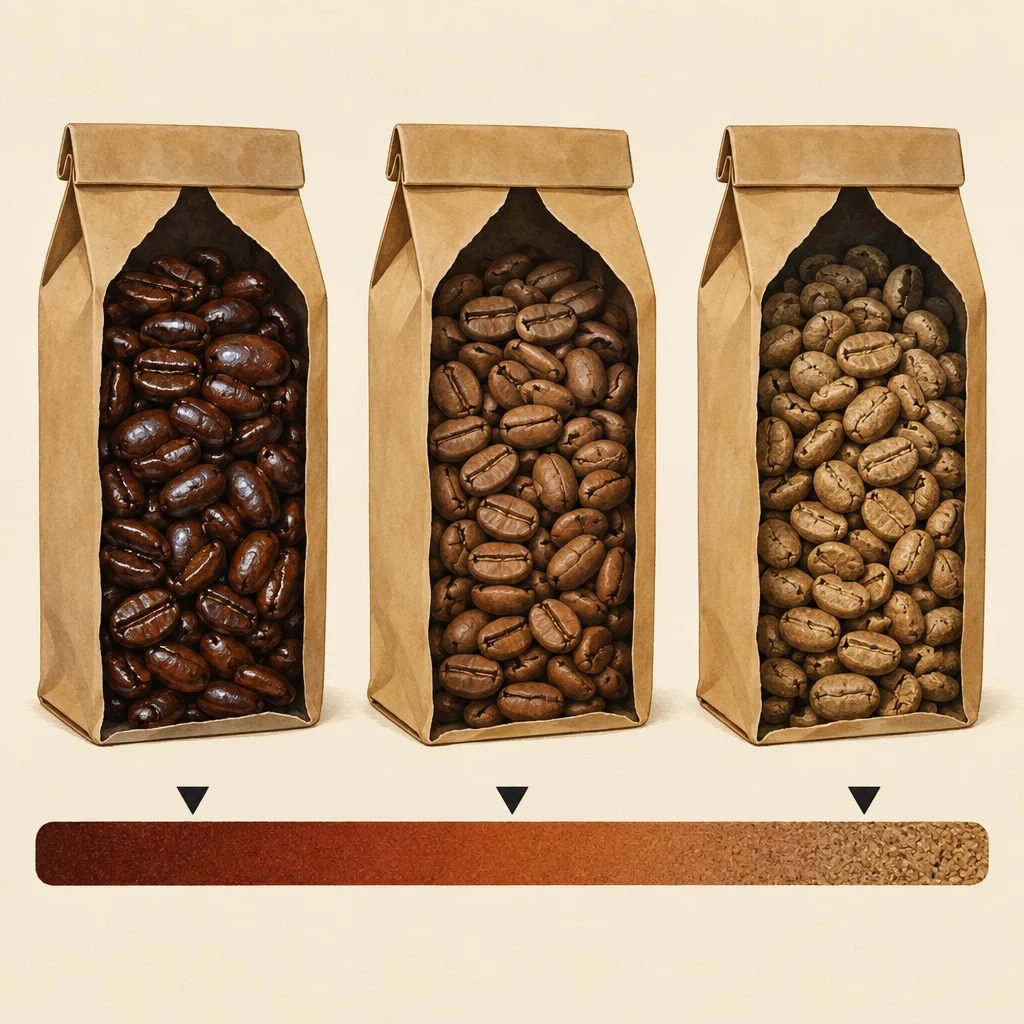
When a new bag of a familiar coffee arrives, three specific physical differences from the previous bag reliably shift your extraction before you change anything.
Every issue helps you get more from your setup, whatever that setup looks like. Published by Daily Grind Report. About the journal
Enjoying the journal? Choose whether to receive updates. You can withdraw your permission at any time.
Read our privacy and data-use policy.