How to Brew Coffee When You're Tasting Sourness That Wasn't There Last Week
Unexpected sourness in a familiar cup usually traces to one of three specific changes, and identifying which one makes the fix straightforward.
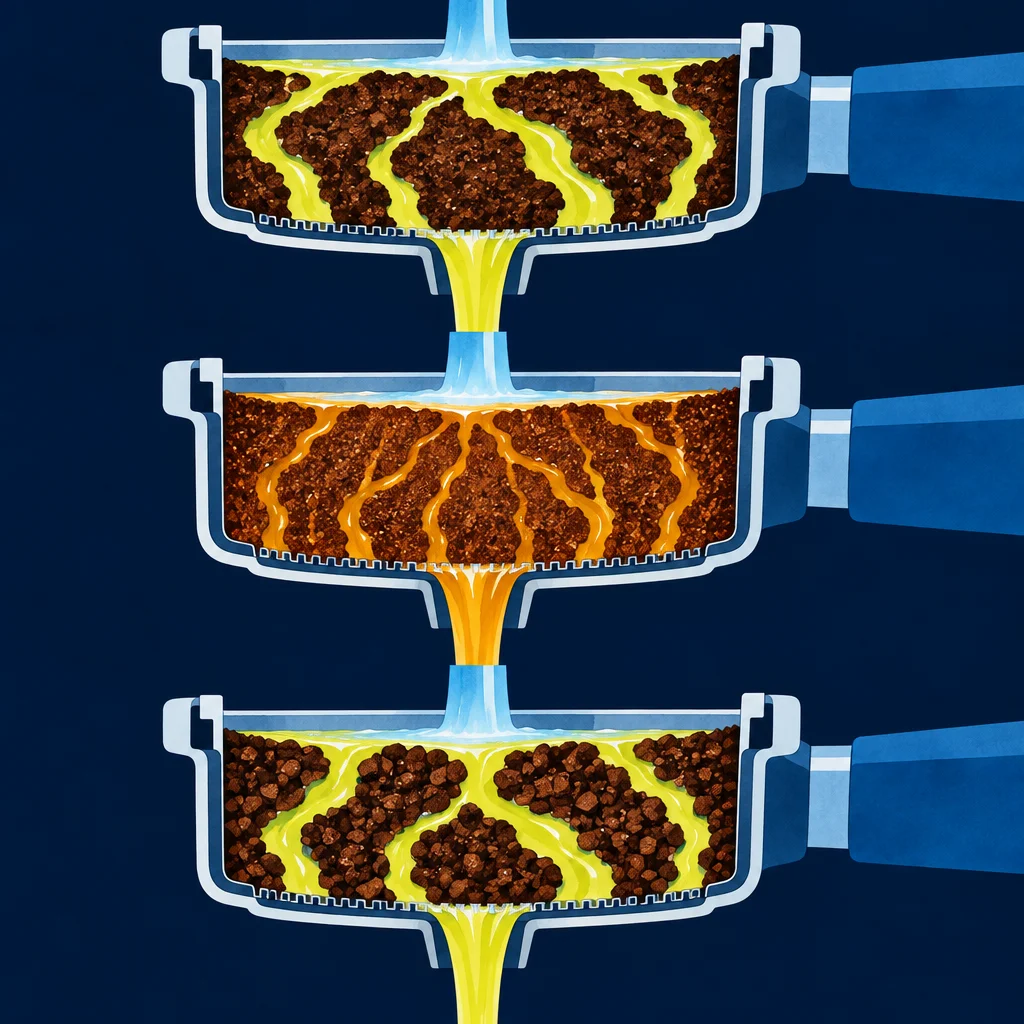
You made the same coffee you always make. Same beans, same brewer, same rough routine. But this week the cup is sour in a way that wasn't there before. Not bright or lively sour, just unpleasant and sharp, like the coffee didn't quite finish cooking.
This is one of the more disorienting problems in home brewing because the obvious answer, that something changed, doesn't help you much when you're certain nothing changed. But something almost always did. Sourness in brewed coffee is a reliable signal of under-extraction, meaning the water didn't pull enough soluble material from the grounds before it was done. The question is what caused the under-extraction to show up now.
There are three places to look, and they're worth checking in order.
Your water got colder without you noticing
Temperature is the variable most likely to drift without you touching anything. If you heat water in a standard kettle and pour it immediately, the temperature you're pouring at depends on how long the kettle sat before you lifted it, how cold your kitchen is, how far the kettle sits from your brewer, and how warm your brewer or carafe was when you started.
In warmer months, a kettle that sits for thirty seconds might still be near boiling. In cooler weather, or if a window is open, or if the kettle was rinsed with cold water before you filled it, that same thirty-second wait can drop you ten degrees or more. Water that's too cool extracts coffee slowly and incompletely, and the first flavor compounds to come through are bright acids. The rounder, sweeter notes that balance them need more heat and more time to dissolve.
If you don't use a thermometer and you've been noticing sourness for a few days, try pouring sooner after the kettle finishes, or if you can, let it reach a full rolling boil and wait only a few seconds before you start. A slight change in pour timing is often enough to bring the cup back.
Your grind got slightly coarser
Grinders drift. Burr grinders in particular can shift a small amount over time as the burrs seat differently, especially if the grinder was recently cleaned, if someone else used it and adjusted the setting, or if it was bumped or dropped. Even a small shift toward coarser grounds gives water an easier path through the coffee, which shortens contact time and produces under-extraction.
This is worth checking if the sourness appeared around the same time as any grinder maintenance or if someone else in your household uses the same machine. You don't need to measure the shift precisely. Just grind a small amount, look at the grounds, and compare them visually to what they looked like when the coffee was tasting good. If they seem a little chunkier or sandier than expected, dial in one step finer and brew again.
If you can't remember what the grounds looked like before, a useful reference point is this: for most pour-over brewing, the grind should feel like coarse sand between your fingers, and for most immersion brewing like a French press, it should feel a bit more like rough sea salt. If yours feels noticeably coarser than that, it's worth adjusting.
Your beans are older than you think
This one surprises people because stale beans don't always look different and they don't smell bad in an obvious way. But coffee that's well past its peak roast date extracts unevenly, and that uneven extraction tends toward sourness because the compounds that dissolve most easily come out first while everything else resists.
If you're on the last quarter of a bag that's been open for three or four weeks, or if the beans were already several weeks off roast when you bought them, this is likely contributing. The fix isn't in your brewing technique at that point. It's in the next bag you buy.
When you open a new bag, check the roast date if it's printed. Most specialty roasters print it clearly. Beans are generally at their best somewhere between one and three weeks off roast, though this varies by roast level. Darker roasts tend to hit their peak a little earlier. Lighter roasts often need a bit more resting time before they taste balanced. A bag that's only a few days off roast might actually taste a bit sharp and sour too, but for a different reason than staleness.
A quick way to work through all three
If you're not sure which of the three is the culprit, it helps to rule them out one at a time rather than changing everything at once.
Start with water temperature since it's the easiest to adjust and the most likely to vary without any obvious cause. Brew one cup with your usual recipe but pour as soon as the kettle is ready. If the sourness improves, temperature was the issue.
If the cup still tastes sour, look at your grind. Move it one step finer and brew again without changing anything else. If that helps, you found your drift.
If both of those are neutral, look at your beans honestly. If the bag is getting old, finish it out and note whether the next fresh bag tastes different. It usually will.
One thing that doesn't help
Adding more coffee by weight to compensate for sourness is a tempting shortcut, but it usually doesn't solve the problem and sometimes makes it worse. More coffee grounds don't fix extraction that's happening incompletely. They just give you more coffee that's extracting incompletely. The sourness tends to stay, and now you're also using more beans.
The ratio adjustments worth making are the ones that change how extraction happens: temperature, grind size, and occasionally brew time. Sourness that's traced to one of those responds quickly once you've found the right lever.
The good news is that unexpected sourness in a cup you were making well is almost always fixable without buying anything new. It's usually your environment or your equipment telling you something small shifted, and small shifts have small corrections.