How to Brew Coffee When You're Using Filtered Water and the Cup Tastes Flat and Lifeless
Heavily filtered water removes the minerals that help extraction happen, and one small addition brings your cup back to life without complicating your routine.
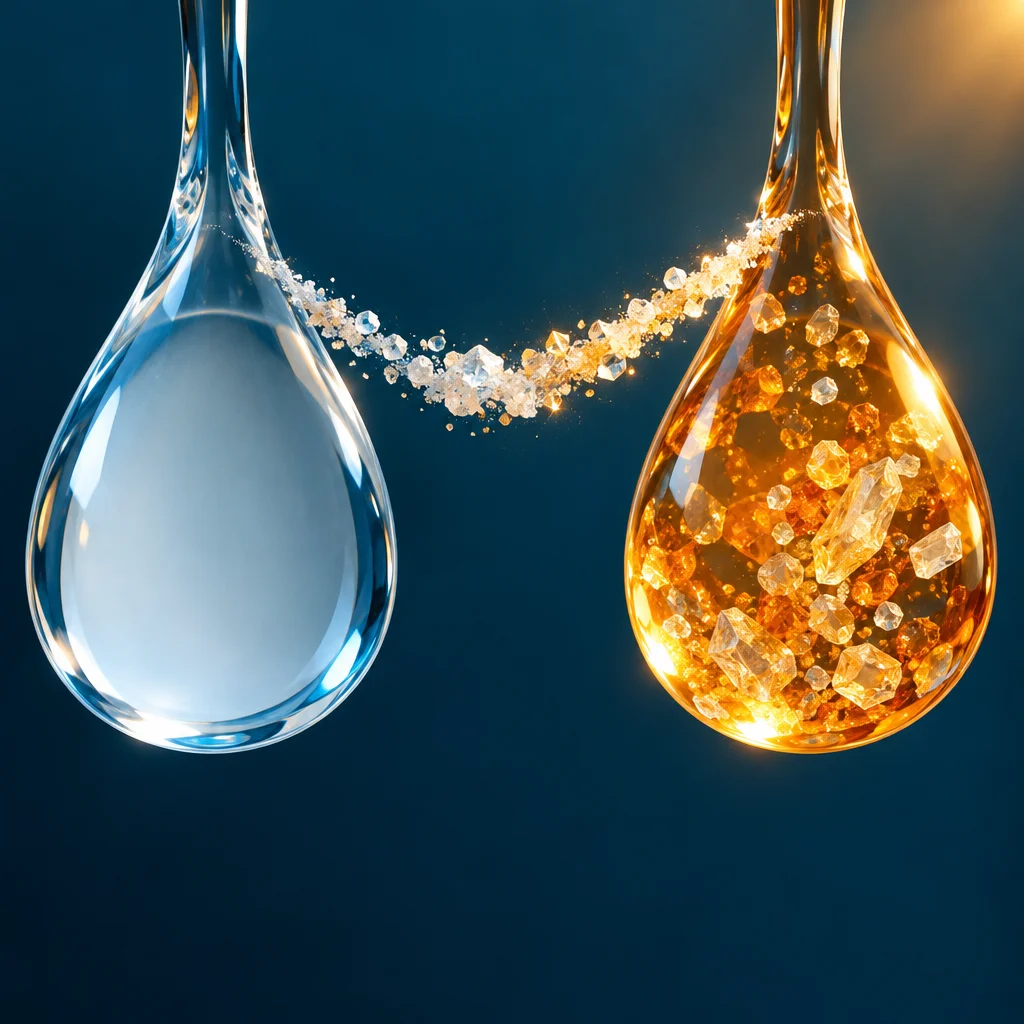
Filtered water feels like the responsible choice. It removes chlorine, odd tastes, and whatever else your tap throws in. So when someone who just switched to a filtered setup finds their coffee tasting dull, muted, or strangely flat, the water is usually the last thing they suspect. The beans are good, the grind is dialed in, and the ratio is right. But the cup tastes like it is missing something.
It probably is. And the thing it is missing is minerals.
Why Water Mineral Content Actually Matters
Water is not just a neutral carrier that moves heat into your coffee grounds. It is an active participant in extraction. The dissolved minerals in water, particularly magnesium and calcium, help pull flavor compounds out of ground coffee and carry them into the liquid in your cup. Magnesium is especially effective at binding to aromatic compounds. Calcium contributes to body and perceived sweetness. When those minerals are present at useful levels, extraction is efficient and the cup tastes complete.
When those minerals are nearly absent, as they often are after aggressive filtration, extraction becomes less efficient. You can still extract coffee, but you are working against the chemistry. The result is a cup that often tastes thin, flat, or strangely one-dimensional even when every other variable looks right. Some people describe it as tasting watered-down despite using a correct ratio. Others notice that brightness and sweetness are missing and assume their beans are bad.
The beans are usually fine. The water just does not have enough to work with.
What Kinds of Filtration Cause This
Not all filtration strips minerals equally. A basic carbon filter, like the kind in a standard pitcher or faucet attachment, primarily removes chlorine and some organic compounds. It does not pull out most minerals. If you are using one of those, your mineral content is probably not the issue, and you can look elsewhere for the cause of a flat cup.
The filters more likely to create this problem are reverse osmosis systems and some multi-stage under-sink setups. Reverse osmosis is very thorough. It removes almost everything dissolved in water, including the minerals that help coffee taste good. If you have one of these systems, or if someone installed one in your home and you are just now noticing the flat cup problem, that is almost certainly what is happening.
Distilled water produces the same effect. Some people buy distilled water thinking it is the purest option and therefore the best for coffee. In practice it brews some of the worst cups you can get from otherwise good beans.
The Straightforward Fix
The most practical solution for most home brewers is adding a small pinch of a mineral supplement back into the filtered water before brewing. This sounds fussier than it is.
Third Wave Water makes packets specifically for this purpose, but you do not need a specialty product to get results. Food-grade magnesium sulfate, sold as Epsom salt, and food-grade calcium chloride are both inexpensive and widely available. A tiny amount added to a liter of highly filtered or distilled water makes a measurable difference. The typical suggestion is somewhere around 150 to 200 milligrams per liter of total dissolved solids for filter coffee, but if measuring in milligrams feels too involved, even a very small pinch of Epsom salt per liter will move things in the right direction.
If you want to keep things simple, one practical approach is to blend your filtered water with a small amount of decent bottled spring water. Spring water retains its natural minerals and a 50/50 blend with reverse osmosis water can bring mineral content to a range that works well for extraction without any measuring at all. This is not a precise method but it is easy and it genuinely improves the cup for most people who try it.
What to Expect When You Adjust
If mineral content really was the problem, the change is noticeable. Coffee brewed with properly mineralized water tends to taste more complete. There is more clarity to individual flavors, the cup feels less thin, and sweetness and brightness that were absent tend to return. It is one of those adjustments that feels minor in setup but significant in the cup.
If you make the change and the cup is still flat, mineral content probably was not the only problem or was not the main one. At that point it is worth checking grind size, water temperature, and brew time, since under-extraction from other causes can produce similar symptoms. But if your filtration setup is aggressive and you have not thought about water minerals before, starting there is reasonable.
A Note on Going Too Far in the Other Direction
Very hard tap water, the kind with heavy calcium and magnesium deposits that build up in kettles, can also produce bad coffee, though it tends toward a different set of problems including bitterness and scale buildup in your equipment. The goal is not maximum minerals, it is useful minerals. If you live somewhere with notably hard water, the filtered flat-cup problem probably does not apply to you.
For most home brewers who have recently switched to filtered or purified water and noticed their coffee getting worse, the mineral explanation is the one most worth testing first. It is a surprisingly simple fix for something that can seem mysterious, and it does not require changing anything else about your setup or your routine.
Good water for coffee does not need to be complicated. It just needs enough dissolved minerals to do its job.