How to Brew Coffee When You're Using the Same Water Every Day but Getting Different Results
Tap water composition shifts more than most home brewers realize, and two simple habits smooth out the variation before it reaches your cup.
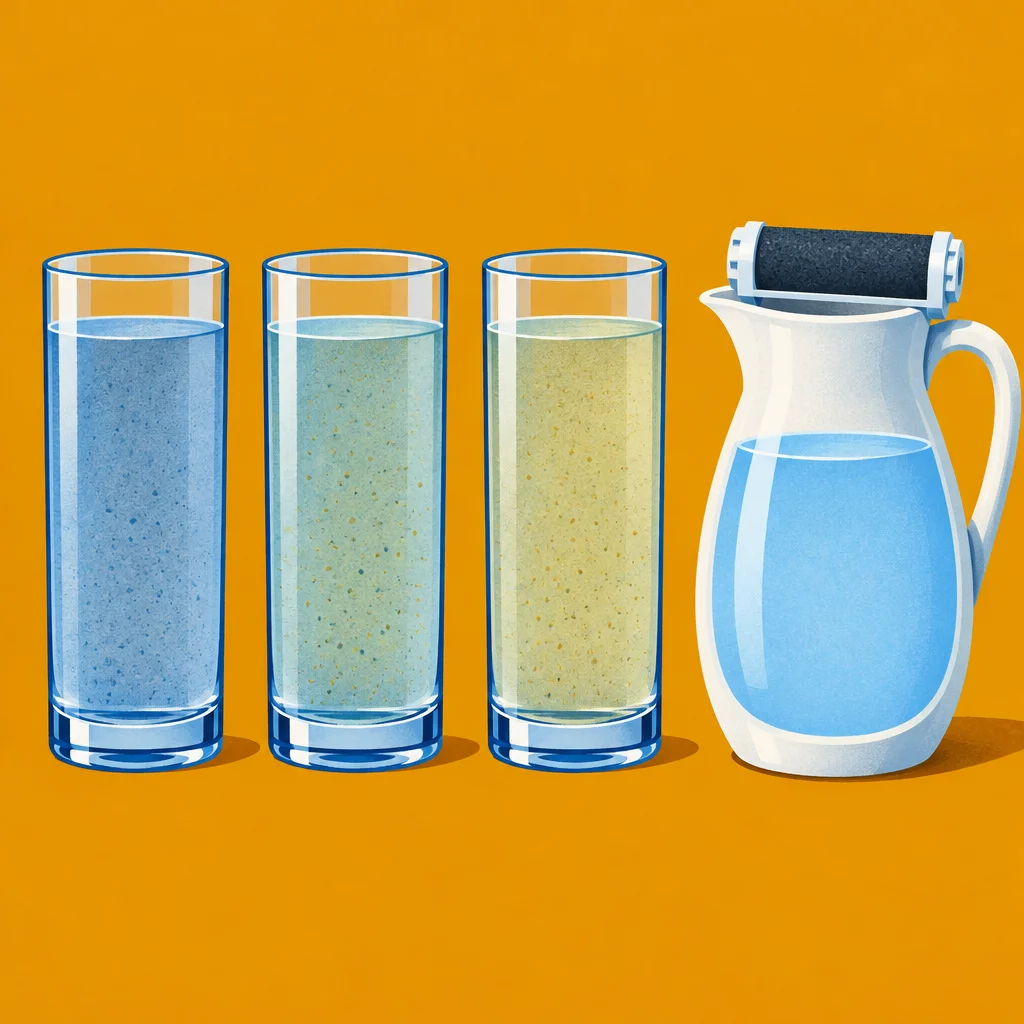
You haven't changed your beans, your grind, your ratio, or your technique. But Tuesday's cup was noticeably better than Wednesday's, and you have no idea why. If you're ruling out the obvious suspects and still coming up short, it's worth looking at something most home brewers never think to question: the water itself.
Not in a precious, mineral-composition-spreadsheet way. Just practically. Because tap water isn't a fixed thing, and even filtered water changes more than you'd expect.
Why water varies even when you're not paying attention
Municipal water supplies adjust their treatment throughout the year. In warmer months, many utilities increase chlorine or chloramine levels to manage bacteria growth as water sits in pipes and reservoirs longer. After heavy rain, sediment and runoff change what enters the system. Seasonal shifts in source water, whether from snowmelt, reservoir levels, or groundwater tables, alter the mineral balance in ways you'd never notice pouring a glass but might notice in a cup of coffee.
If you use a pitcher filter, the filter's age matters too. A fresh filter and a two-month-old filter remove different amounts of chlorine and other compounds. The result is two cups from the same tap that taste like they came from slightly different water supplies, because in a functional sense, they did.
None of this means your water is bad. It means water is a variable, and once you treat it like one, the mystery cup-to-cup variation starts to make a lot more sense.
The first habit: heat fresh, cold water every time
This one sounds obvious, but it's easy to skip when you're in a hurry. Always start with cold water drawn fresh from the tap or your filter. Don't reboil water that's been sitting in your kettle from the morning, or from yesterday, or even from an hour ago.
Water that's been heated and allowed to cool loses dissolved oxygen and can concentrate certain minerals as some of it evaporates. The flavor impact is subtle but real, often showing up as a slightly flat or metallic note that you can't quite place. Starting fresh each time eliminates one more variable you can't easily control.
If you use a standard kettle that you refill by habit, this takes about three extra seconds. It's one of the most reliable small improvements available.
The second habit: keep a filter schedule instead of a taste schedule
Most people replace their pitcher filter when the water starts tasting off. The problem is that filters degrade gradually, and by the time the flavor changes noticeably, your coffee has already been absorbing the difference for weeks.
Instead, replace your filter on a calendar schedule based on what the manufacturer recommends for your water usage, and then adjust slightly if your municipality sends water quality reports showing seasonal changes (many do, and they're usually available online or by request). A fresh filter costs little and is almost certainly the cheapest per-cup improvement available to anyone using filtered water.
If you use tap water directly without a filter, this habit doesn't apply. But it's worth tasting your tap water on its own occasionally, especially in late spring or early fall when treatment levels tend to shift. If it tastes noticeably different to you, your coffee will too.
A note on temperature and tap variation
Hot water from the tap contains more dissolved metals than cold water because it's been sitting in your water heater and pipes. This is worth knowing because some people fill their kettle from the hot tap to save time. The flavor difference isn't always dramatic, but if you're troubleshooting unexplained bitterness or metallic notes and you've been using hot tap water, switching to cold is a fast, free thing to try.
When filtered water might be the problem instead of the solution
If you've moved to a very aggressive filter, like a reverse osmosis system or a countertop unit that removes nearly everything, you may have overcorrected. Water that's been stripped of almost all minerals doesn't extract coffee as effectively as water with some mineral content. The result can be a flat, underwhelming cup even when everything else is right.
You don't need to buy mineral packets or do any chemistry to fix this. One practical option is blending your filtered water with a small amount of plain tap water, roughly a quarter to a third tap, three quarters to two thirds filtered. It's a rough solution, but it reintroduces some mineral content and often improves cups that have been tasting thin for no obvious reason. Think of it as a starting point to test rather than a precise formula.
Putting it together practically
If your cups are inconsistent and you've already looked at grind, ratio, and temperature, spend a week paying attention to your water habits. Draw fresh cold water each session, note when you last replaced your filter, and taste your tap water on its own once or twice. That's the whole project.
You're not trying to become a water chemist. You're just acknowledging that water is about 98 percent of your cup and treating it with the same basic attention you give your beans. Most of the time, that's enough to smooth out the variation that's been puzzling you.
Good coffee at home doesn't require expensive equipment or perfect conditions. It requires knowing which variables are actually moving. Water is one of them, and it's one of the easier ones to get stable once you're looking at it clearly.