How to Brew Coffee When You're Working With a Burr Grinder but Forgetting to Warm It Up
A cold burr grinder produces inconsistent particle sizes for the first few seconds, and one short habit fixes this before it affects your cup.
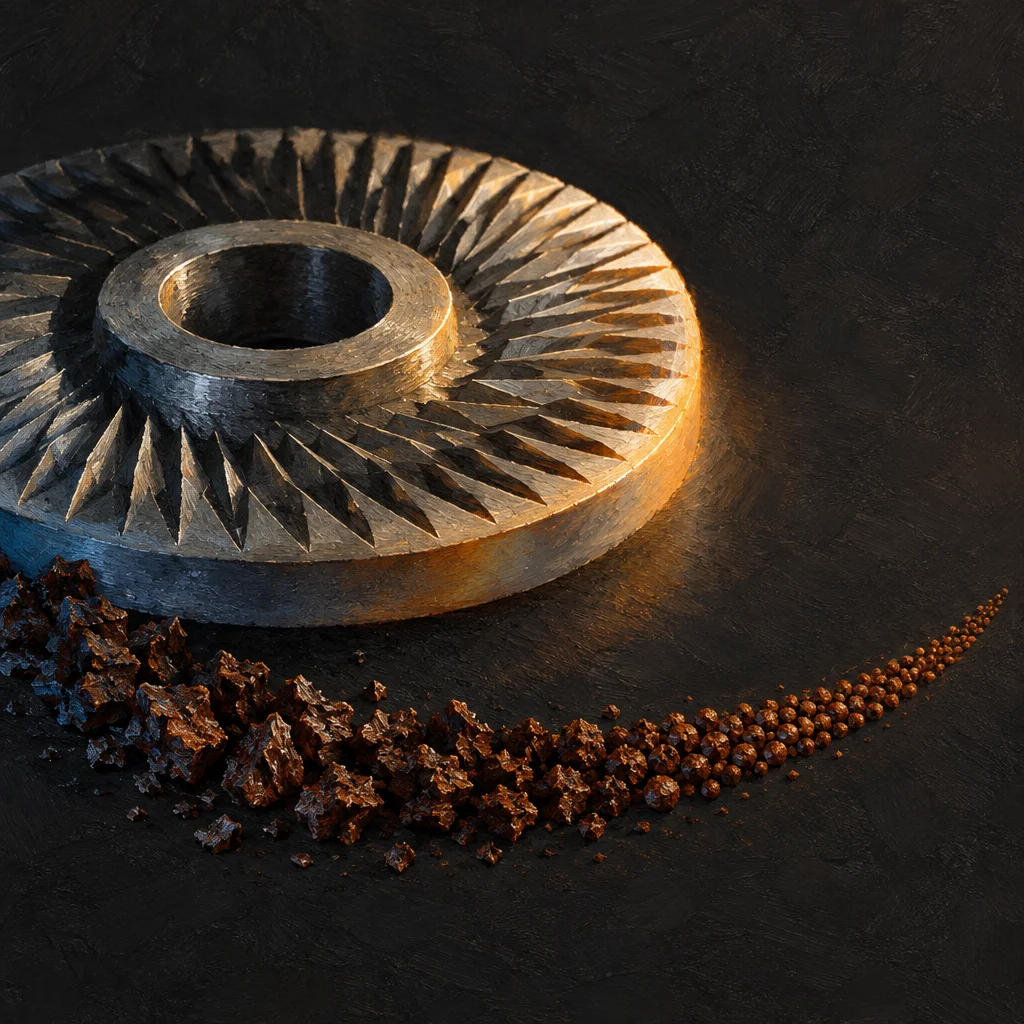
Most home brewers who own a burr grinder spend real time dialing in their settings, measuring their dose, and timing their pour. That care is worth it. But there is one step that often gets skipped, especially on cold mornings, and it quietly undermines everything else you are doing: grinding without letting the burrs come up to a working temperature first.
This is not about warming the grinder for long periods or running it empty for minutes at a time. It is about understanding a small, specific thing that happens in the first few seconds of any grind session, and building one quick habit to account for it.
Why cold burrs behave differently
Burr grinders work by pulling coffee between two rotating cutting surfaces. The gap between those surfaces is what sets your grind size. When the burrs are cold, two things are slightly off compared to when they reach their normal working state.
First, metal contracts slightly in cold conditions. The actual gap between your burrs when everything is cold is fractionally different from the gap when the motor has been running and the metal has warmed from friction and use. For most home brewing, this difference is small enough that you would never notice it on its own.
Second, and more practically relevant, the internal parts of many grinders take a moment to reach their full, stable operating speed. During that first second or two, the motor is still accelerating. Coffee grounds produced during that ramp-up period are cut differently than grounds produced once everything is moving at a consistent speed. The result is a small but real spread of particle sizes concentrated at the beginning of your grind session.
If you are grinding 15 or 18 grams of coffee, those first two seconds represent a meaningful portion of your dose. The particles ground during that window tend to be slightly coarser or more irregular than the rest. When they end up in your brew, they extract at a different rate than everything else, which introduces a subtle muddiness to the cup that is hard to identify but easy to taste.
The habit that addresses it
The fix is straightforward. Before you add your actual dose, run about three to five grams of coffee through the grinder to clear it out and let it reach stable operating speed. This is sometimes called a purge or a seasoning grind.
That small amount of coffee goes through the burrs while everything is still accelerating and cold. By the time you load your actual dose, the grinder is running at full speed and the burrs have begun to warm slightly from friction. The grounds you collect for your brew are produced under more consistent conditions from the first gram to the last.
The three to five grams you run through first can go in a small bowl on your counter. If you are working with a relatively fresh bag, you can add those grounds to your brew basket along with your measured dose, which means nothing is wasted. If the grounds have been sitting out from a previous session, compost them or discard them. They have done their job.
How long you run the grinder before loading your dose depends on your specific machine. A smaller hand grinder warms differently than a larger electric burr grinder. As a general suggestion, aim to run enough coffee through that the grinder sounds and feels like it has settled into a steady rhythm before you stop and reload with your actual dose. For most home grinders, that is five to eight seconds of grinding at most.
When this matters more and less
This habit matters more in certain situations. If your kitchen is genuinely cold in the morning, especially in winter, the burrs start at a lower temperature and the effect is more pronounced. If you are brewing a very small dose, like 10 to 12 grams for a single small cup, the proportion of your dose affected by the initial ramp-up is higher.
It also matters more if you are trying to produce a very consistent cup from one morning to the next. If you have been puzzled by why your brew tastes slightly different each day despite measuring carefully and changing nothing, the grinder warm-up is one of the quieter variables worth checking.
If you are making a large batch, brewing casually, or using beans that are past their peak freshness where small variations matter less, skipping this step is genuinely fine. This is a refinement, not a requirement. The goal is to understand what is happening so you can decide whether it is worth addressing for your situation.
A note on electric versus hand grinders
This applies to both, but differently. Electric burr grinders have a motor that takes a moment to reach full speed, so the ramp-up effect is real and the warm-up habit is directly useful. Hand grinders do not have a motor ramp-up, but the burrs still start cold. With a hand grinder, grinding your purge amount and then your actual dose in one continuous session accomplishes something similar: the burrs are slightly warmer and your hands have found their rhythm before the grounds you actually collect are being cut.
For hand grinder users, an alternative is simply to grind your dose as one continuous load rather than stopping partway through, which reduces the variation introduced by multiple start-stop cycles. That is a separate consideration, but worth pairing with the warm-up idea if you use a hand grinder regularly.
Putting it together
The whole process adds maybe 20 seconds to your morning routine. You are not changing your recipe, your ratio, your water temperature, or your pour technique. You are just asking the grinder to do its least consistent work on a few grams of coffee that are not going into your final brew.
If you already dial in carefully and still find your cup is slightly inconsistent from one morning to the next, this is a practical and low-effort place to look. Try it for a week and see whether your cup feels more even. That is the honest test, and it costs almost nothing to run.