How to Brew Coffee When You're Changing Grind Size but Don't Know Which Direction to Go
When your cup tastes off and grind size is the fix, knowing which direction to adjust saves you from making the problem worse.
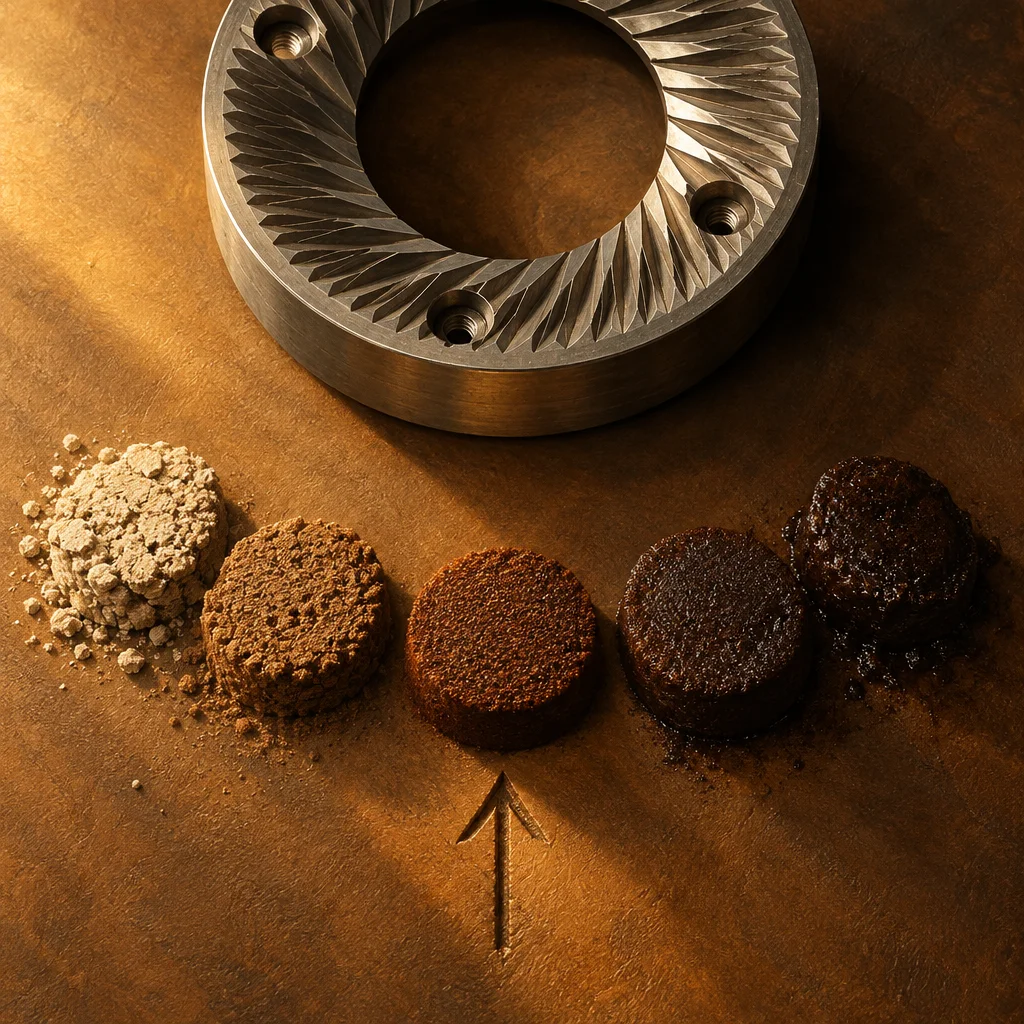
Most home brewers reach for their grinder when something tastes wrong. That instinct is usually correct. Grind size is one of the most powerful variables in your brew, and small changes in either direction can shift the cup from flat to bright, or from sharp to smooth. The problem is that without a clear signal, adjusting your grinder can feel like turning a dial in the dark. You might move coarser, taste something different, and still not know if you went the right way.
This piece is about reading your cup before you touch your grinder, so that when you do adjust, you're moving in the right direction on the first try.
Start With What the Cup Is Telling You
Taste is the most reliable signal you have. Before adjusting anything, take a sip with the specific goal of identifying one flavor quality: where does the cup land on a rough spectrum from sour and sharp to bitter and heavy?
A cup that tastes sour, thin, or almost citrusy in an unpleasant way is usually under-extracted. The water moved through the grounds quickly and pulled out the brighter, more acidic compounds before reaching the ones that add body and sweetness. Grinding finer is typically the right move here. Finer grounds give the water more surface area to work with and slow down the flow, which means more of what's in the coffee makes it into your cup.
A cup that tastes bitter, dry, or ashy, the kind that coats your mouth and lingers in an unpleasant way, is usually over-extracted. The water spent too much time in contact with the grounds and pulled out compounds that are harsh rather than pleasant. Grinding coarser is typically the right move here. Coarser grounds have less surface area, the water flows through faster, and extraction stops before you get into the unpleasant range.
If your cup tastes both sour and bitter at the same time, that is a different problem, usually related to uneven grind distribution rather than overall grind size, and chasing it with a size adjustment alone rarely helps.
One Adjustment at a Time
Once you have a direction, the next question is how much to move. The answer is almost always: less than you think.
Grinder adjustments have a compounding effect. A small step on the dial can change the extraction noticeably, especially on finer-ground methods like espresso or AeroPress. On coarser methods like pour-over or French press, the effect is gentler, but it still adds up.
A useful habit is to move one step at a time and brew again before moving further. If your grinder has numbered settings, that might mean shifting by one notch. If it's a stepless grinder with a collar you turn freely, a small rotation, something in the range of what you'd move the collar in one deliberate turn, is usually enough to produce a noticeable difference. Brew, taste, and then decide if you need more.
This feels slow when your morning coffee tastes wrong and you just want it fixed. But two deliberate brews will get you to a better cup faster than five random ones, because you will actually know what changed and why.
Keep the Rest of the Recipe Stable
When you are testing grind size, everything else should stay the same: dose, water volume, water temperature, pour technique. If you adjust two things at once, you lose the signal. You might land on a better cup, but you won't know which change made the difference, and the next time something goes wrong you will be starting from scratch.
If you have been eyeballing your dose, this is a good moment to weigh it instead. A small shift in how much coffee you used can mimic the flavor change from a grind adjustment, making it harder to read what is actually happening. Keeping your dose fixed and consistent removes that variable from the equation.
What to Do When You Can't Tell
Sometimes a cup is just flat, or generically dull, without a clear sour or bitter edge to point you in a direction. That is harder to read but still workable.
In that situation, consider the age of your coffee first. Beans that are significantly past their roast date can taste dull and lifeless regardless of grind size, because the compounds that produce interesting flavors have dissipated. Grinding finer will sometimes help with older coffee because you are giving the water access to more of what is left, but it is not a complete fix.
If the coffee is reasonably fresh and still tastes flat, a modest move toward finer is usually the better first guess. Flat cups more often come from under-extraction than over-extraction in home brewing, partly because home setups often produce lower brew temperatures or faster flow rates than a recipe might assume. Going slightly finer gives the brew more to work with.
After You Find the Right Spot
When you land on a grind setting that produces a cup you like, write it down. That sounds basic, but it matters more than most people expect. Grinder settings drift over time as burrs wear slightly, grounds residue builds up, or beans from a different roaster behave differently. Having a reference point lets you return to a known good setting rather than searching from zero.
If you get a new bag of coffee, even from the same roaster, plan to do a small test brew before committing to a full cup. Different beans, different harvest seasons, and different roast levels all extract at different rates. Your saved setting is a useful starting point, but it is a starting point rather than a guarantee.
The goal of learning to read your cup before you adjust is not to turn brewing into a technical exercise. It is the opposite. Once you know which direction to move when something tastes off, you fix it faster, waste less coffee, and spend more time actually enjoying what is in your cup.