How to Brew Coffee When You've Changed Nothing But the Cup Still Got Better
When your brew suddenly improves without explanation, understanding why lets you lock in that result instead of losing it by accident.
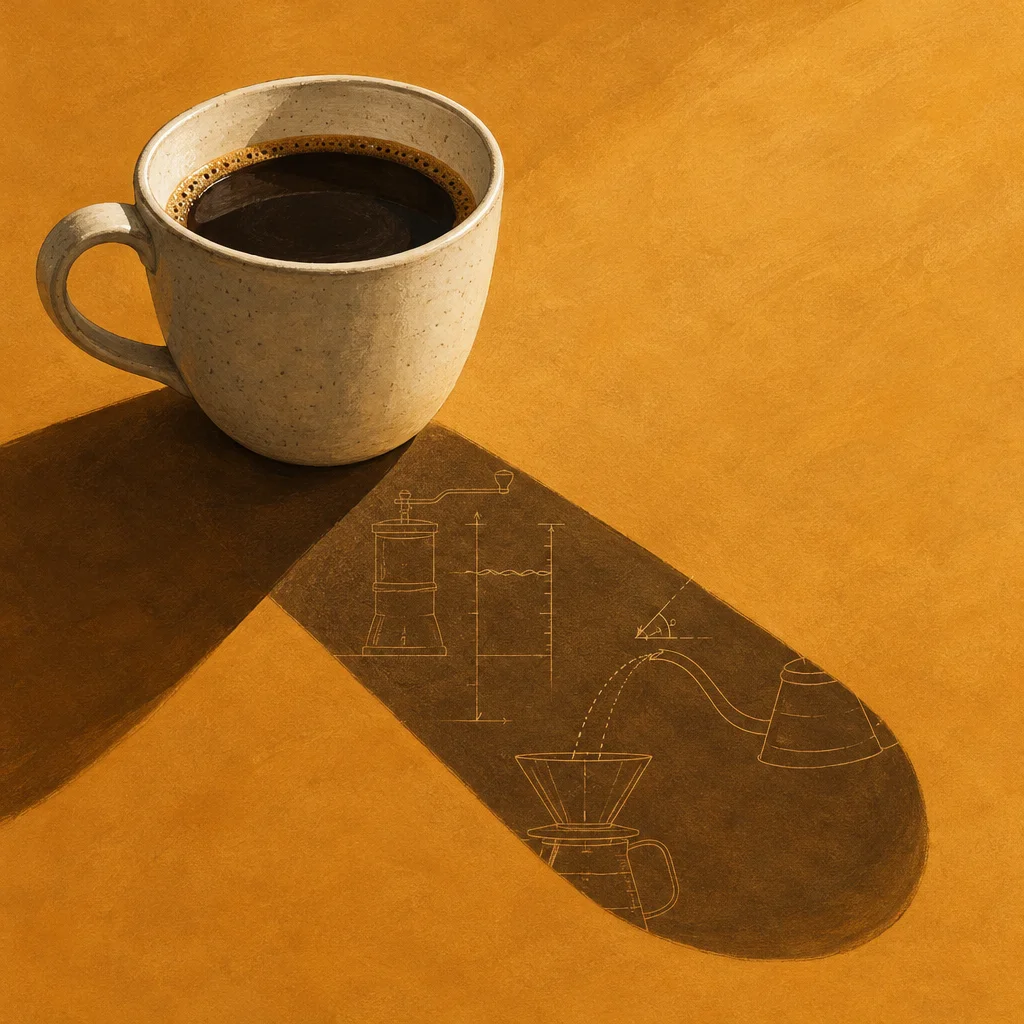
Most brewing advice focuses on fixing a cup that got worse. But there's a version of this that doesn't get talked about much: you've been brewing the same way for weeks, nothing obvious changed, and one morning the cup is noticeably better. It's a pleasant surprise, but also a slightly anxious one. If you don't know what caused it, you can't repeat it, and you can't stop it from drifting away.
This situation is more common than people realize, and it's worth taking seriously. A sudden improvement without a clear cause is information, not magic. Something shifted, even if it wasn't deliberate. Your job is to figure out what.
The Most Likely Culprits Behind Unexplained Improvement
The coffee rested after roasting. If you opened a fresh bag a few days ago and today is noticeably better than the first cup you pulled from it, the coffee probably just needed more time off-gas. Freshly roasted coffee contains carbon dioxide that interferes with even extraction. As those gases escape over the first week or so after opening, the same grounds brewed the same way can produce a markedly smoother, more balanced result. This is one of the most common causes of a surprise good cup. If this is what happened, the good news is that you haven't changed anything and won't need to. The coffee is simply in its window.
Your water changed slightly. Municipal water supplies adjust their mineral content and treatment levels throughout the year, sometimes seasonally and sometimes due to supply changes. If your tap water shifted even a little in its mineral balance, it might have moved closer to what your coffee prefers. This is hard to confirm without testing, but if the improvement happened gradually over several days rather than suddenly, water is a reasonable suspect. The less useful part of this explanation is that water can drift the other way just as easily, so it's worth noting when the good days start in case you need to compensate later.
Your grinder warmed up or settled in. Burr grinders, especially newer ones, can behave slightly differently once the burrs have worn in over time or once the grinder body has reached a stable operating temperature. If you happened to grind a bit more slowly than usual, or if the grinder had been sitting in a warmer spot in the kitchen, that small change could have shifted your grind consistency just enough to help. This one is hard to chase deliberately, but it points toward one useful habit: try to grind at roughly the same pace and from the same ambient conditions each time.
You poured slightly differently. If you're using a pour-over or similar manual method, small changes in how you pour, how fast, how evenly you wet the grounds, or how long your bloom took can meaningfully affect the final cup. You might have had a particularly patient morning without realizing it. Or you filled the kettle right before brewing and caught the water at a slightly different temperature than usual. These micro-variations are normally the enemy of consistency, but occasionally they accidentally move in a helpful direction.
What to Do Right Now
If you're reading this while the good cup is still in front of you, there are a few practical things worth doing before the moment passes.
First, try to reconstruct what you actually did. Think back through the brew: how long since you opened the bag, whether anything in your routine felt different, whether your grinder or kettle sounded or felt any different than usual. You don't need to be scientific about it. Just write a few words in your phone or on a scrap of paper. Noting the date, the coffee's approximate age since opening, and any detail that stands out gives you something to compare against later.
Second, brew again tomorrow using the same steps as closely as you can. If the cup is good again, you have something repeatable. If it's back to average, you probably caught the coffee in a temporary window, which is still useful to know. It means the peak is real and worth timing for next time.
Third, if the cup has been consistently improving over several consecutive days, consider that the coffee might simply be at its best right now. Most coffees have a window somewhere between one and three weeks after roast where they're most expressive. If you're in that range, brew a little more attentively while it lasts and pay attention to when it starts tipping toward flat or thin. That tipping point is information too.
How to Lock It In Going Forward
The goal isn't to overthink a good cup. The goal is to understand it well enough that you're not just hoping it comes back.
If the resting explanation seems right, consider noting the date you open future bags and tracking which day the cup peaked. Many home brewers find this happens consistently around day five to ten after opening, though it varies by roast level and bean. Lighter roasts often need more time. This kind of low-effort observation builds a practical intuition faster than any recipe guide.
If you suspect water or temperature, try to stabilize whatever you can control. Consistent kettle temperature, consistent water source, consistent grind-to-brew timing. Stability in the variables you can control makes it easier to notice when an outside variable like water or bean freshness is doing something useful.
If the improvement stays consistent for more than a week with no changes, it may be worth adjusting your baseline recipe to match what you're now doing. A good cup that keeps happening isn't luck anymore. It's your actual process, and your written recipe should reflect it.
The unpredictable parts of home brewing are mostly just the parts you haven't tracked yet. A cup that got better on its own is the most useful kind of experiment, because something real changed and you got to taste the result. All that's left is figuring out which part to keep.