How to Brew Coffee When You're Grinding Into a Dose That Changes Every Time
Grinding directly into your portafilter or brew basket without controlling retention produces inconsistent doses, and one small habit fixes it reliably.
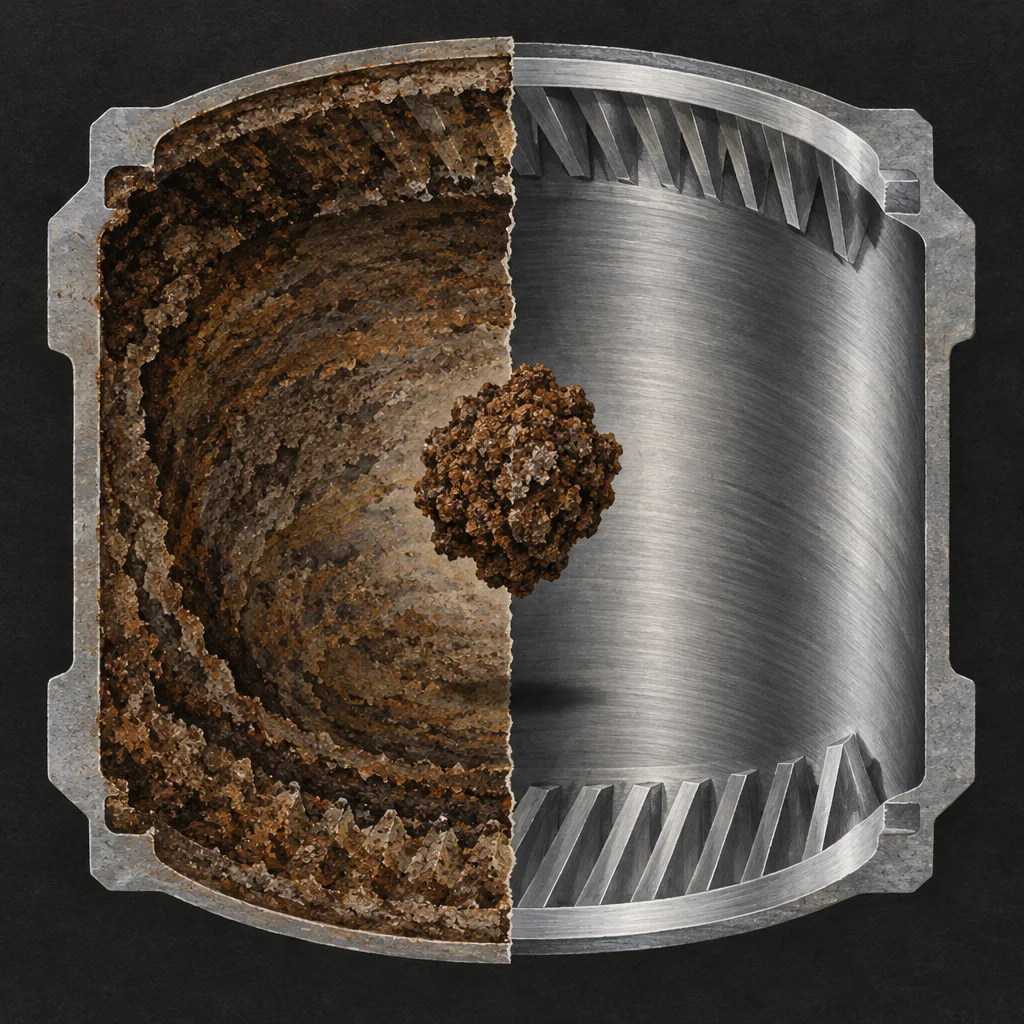
Most home brewers with a grinder focus on grind size. Coarser, finer, a click this way or that. What gets less attention is where the ground coffee actually goes between the burrs and the cup, and how much of it quietly disappears or changes from one brew to the next.
This is the retention problem, and it is more common than it sounds.
What retention actually means
Every grinder holds onto some ground coffee after it finishes grinding. It sits in the chute, clings to the burrs, or rests in whatever channel connects the burrs to the exit point. The amount varies by grinder design, but almost no home grinder has zero retention.
The consequence is straightforward. When you grind a dose today, some of it stays inside the grinder. When you grind tomorrow, yesterday's grounds come out first, followed by today's. If you are dosing by weight into your basket or brewer, you stop the grinder when you hit your target, but the last bit of coffee you actually use may be older than you think. If you are dosing by time, the total amount in your cup shifts slightly based on how much was already waiting in the chute.
None of this ruins coffee catastrophically. But it does mean that even when you change nothing about your recipe, your dose is doing something slightly different every time.
The simple test to see if this is affecting you
Here is a way to check. Grind your usual dose into a small bowl or container instead of your brewer. Note the weight if you use a scale, or just observe the volume. Then without adding any coffee, run your grinder again for a second or two. Watch what comes out. If grounds appear, that is retained coffee from the first grind. On the next brew day, those grounds will be the first thing out.
For some grinders this second-run amount is negligible. For others it is a gram or more, which is genuinely significant at typical home brew doses. A gram of coffee represents real variation in your brew ratio, and brew ratio is one of the most direct controls you have over strength and extraction.
The habit that solves most of it
The fix used by a lot of consistent home brewers is called purging, and it is simple. Before you grind your actual dose, run a small amount of coffee through the grinder first. Around three to five grams works for most home grinders. This coffee pushes out whatever was retained from your last session and coats the burrs with fresh grounds, bringing everything to a consistent starting state.
Then you grind your real dose. What comes out is much closer to representing only today's beans, at today's settings, without the influence of whatever was waiting in the chute.
The purge coffee is not wasted in any meaningful sense. You can collect it and add it to a bag destined for drip or cold brew where the small amount of stale material will not matter much. Or you can simply accept it as the small cost of consistent results.
Dosing by weight makes this work better
If you are still measuring your dose by timing your grinder, retention makes that inherently imprecise, because the amount retained varies with humidity, how recently you cleaned the grinder, and even the density of the beans you are using. Switching to a scale and grinding into a container on the scale gives you a fixed target each time, which makes the purge habit more effective. You grind until you hit your dose weight, and you stop there.
If your grinder's chute or geometry makes it awkward to grind into a container, you can grind into your basket and tare the scale under it. The goal is just to know how much coffee is actually going into your brew, not to guess.
When retention changes without warning
Retention is not always constant even with the same grinder. A few things shift it noticeably.
Grind size is one. Finer grinds tend to stick more and move through chutes more slowly. If you adjust your grind finer to fix a weak cup, you may also be increasing retention slightly, which could mean your next dose is a little heavier than you intended.
Bean density and freshness are another. Very fresh beans off-gas more, which can affect how they move through the burr chamber. Denser beans from high-altitude growing regions sometimes behave differently from lower-density ones in the same grinder.
Cleanliness matters too. Coffee oils build up on burrs and in chutes over time and can increase how much grounds stick. A grinder that is six months past its last cleaning may retain more than it did when clean, which means your doses are drifting without any obvious cause.
A note on static
Static is a related but separate issue. Some grinders, particularly those with plastic chutes or in dry climates, build up static electricity that causes grounds to scatter or cling to container walls rather than fall cleanly into the basket. A common suggestion is to add a single drop of water to your beans before grinding, which reduces static noticeably for many people without affecting flavor. This is worth trying if you notice grounds flying around on the way to your brewer, since those lost grounds are also affecting your dose.
The practical summary
If your cups taste slightly different each morning despite using the same beans, settings, and water, dose inconsistency from retention is worth checking before you blame anything else. The purge habit is free, takes about ten seconds, and removes one real source of variability from your routine. Pair it with weight-based dosing and a reasonably clean grinder, and the part of your brew you probably think least about becomes one of the most stable.